Robotics Treasury Report Vol. 2
October 2026 update on XMAQUINA’s robotics treasury.
August 21, 2026
Category:
Physical AI
Read time:
8 minutes
Share This:
Ask most people to picture Physical AI and they picture a humanoid. Two arms, two legs, walking into a warehouse. It is a great image, and one that we have a strong conviction about, but it is a fraction of the whole story.
Humanoids will be huge, but most of the machines that will be deployed are going to be non-humanoid. They will look like a kitchen that never closes. A dump truck that never gets tired. A counter that builds a thousand bowls without a break. Physical AI is software finally getting paid to move “atoms”, in food, freight, materials, construction, the parts of the economy that never had a software moment and are far too big to keep skipping one.
Atoms is the most serious attempt anyone has made to own that half of the category. Here is what the company actually is, what is running today, what is still a slide, and why it is worth watching either way.
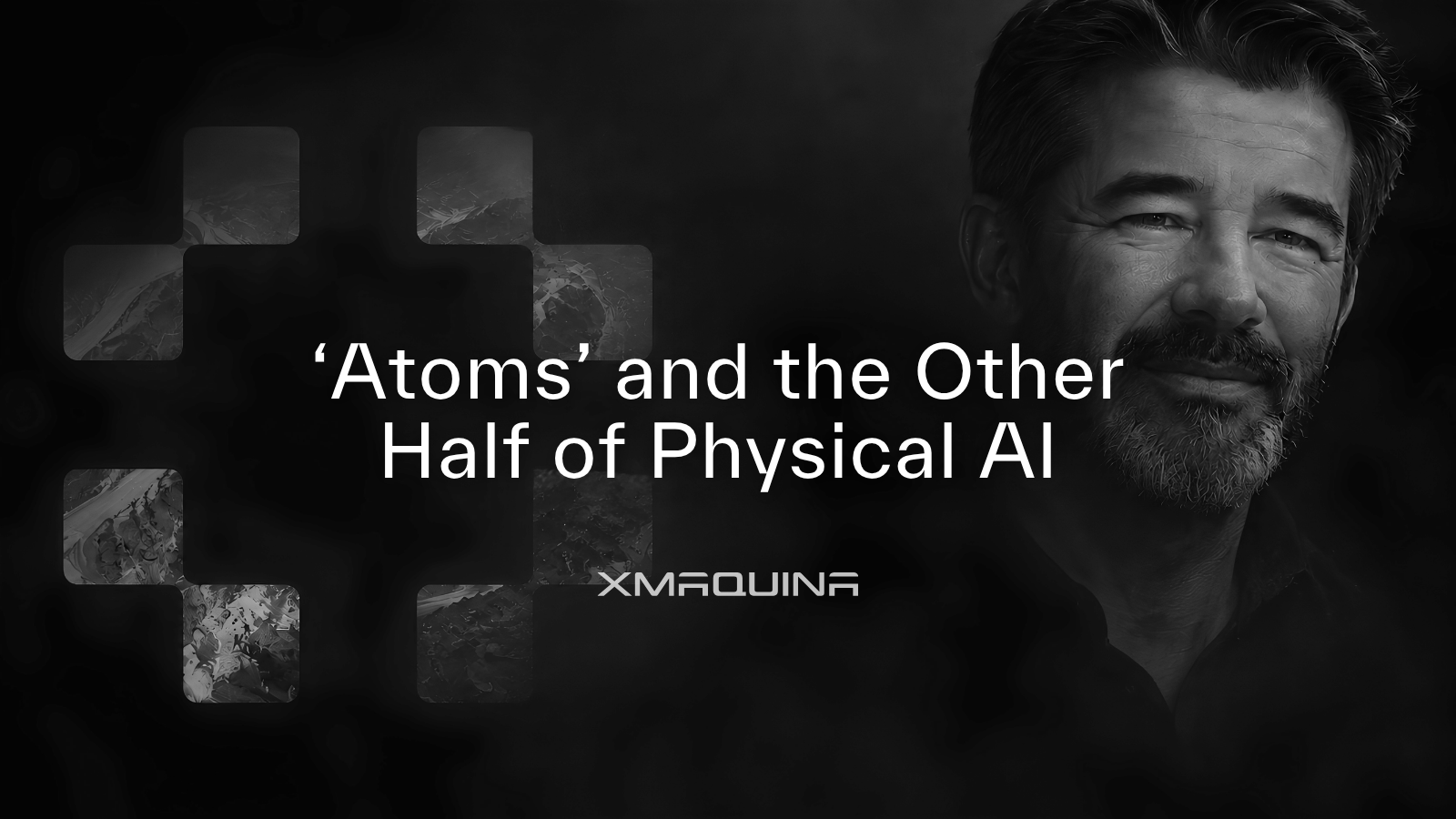
Atoms is run by Travis Kalanick, the legendary founder of Uber. Uber was once considered an idea that would never work. He turned this idea into infrastructure the whole world now uses. When a16z led Atoms' latest round, Ben Horowitz framed the bet as being on the operator rather than the sector, the rare founder with the range to cross from software architecture to mechanical engineering, and the appetite for the old, heavy, unglamorous parts of the economy.
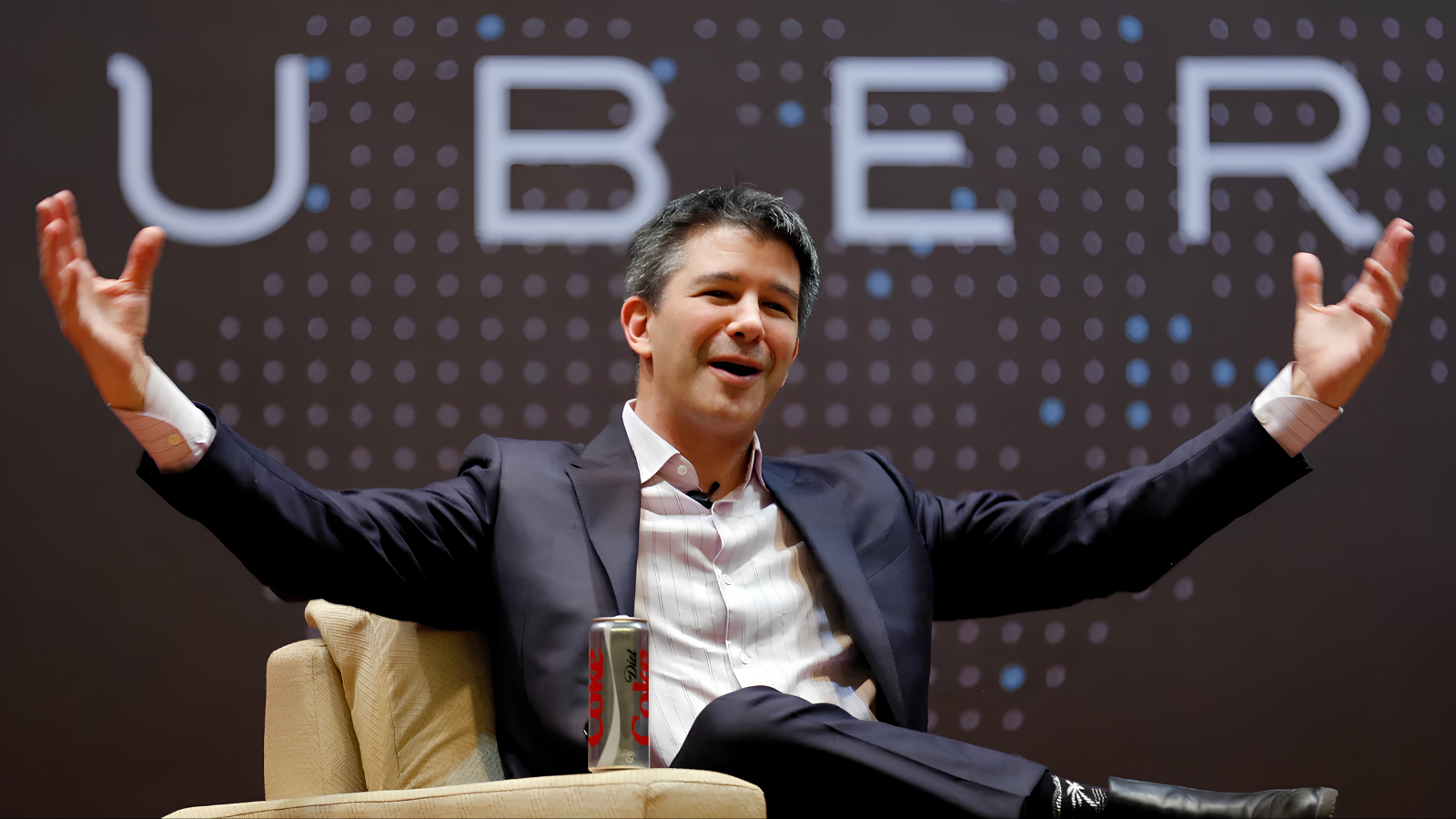
Kalanick left the Uber CEO seat in June 2017. In March 2018, his fund 10100 paid $150M for control of a quiet company called City Storage Systems, and he took the CEO job. He did not create it, cofounder Sky Dayton and early leader Diego Berdakin were already there.
What he did was spend the next eight years building it in the dark.
"We've been in stealth mode for eight years. Employees were not allowed to put the name of the company on their LinkedIn. We have thousands of employees." (Kalanick, March 2026)
Atoms is a parent company that owns operating businesses. It rents kitchens. It sells restaurant software. It puts autonomy on dump trucks. The tagline is "Physical automation to transform industry and move the world," and the product thesis has a name.
"At Atoms we make gainfully employed robots, specialized robots with productive jobs that bring abundance to their owners and society at large."
Gainfully employed. That is the whole argument in two words. Machines with a job, a shift, and a payback period.
The company groups its work as three "computers."
Underneath sit seven brands: CloudKitchens, Otter, Lab37, Picnic, ProFood, Pronto AI, and a Transport unit whose homepage title still says "Announcement soon."
Here is the honest cut between what is open today and what is still a plan.
Real revenue-generating operations sitting next to real unknowns: that is the actual shape of the company, and the running half is already further along than most of what gets called Physical AI.
Kalanick is blunt about why Atoms builds purpose-built machines rather than general ones.
"But what if you had an industrial kitchen and needed to make 1000 pancakes an hour? I couldn't think of a worse approach than a humanoid."
He is not saying the human form is useless. He is saying form follows function. A humanoid earns its keep in spaces built around human bodies, doing work too varied to specify: messy, one-off, unstructured. But a quarry hauls the same route ten thousand times. A delivery kitchen fires the same dozen SKUs every night. Where the work repeats, versatility is a cost, not a feature, and the machine engineered for exactly one job wins on speed, uptime, and price.
That is why the specialized end of Physical AI gets to revenue first. It is already selling.
Underneath sits the harder idea. The scarce resource in this field is not models, it is real-world data from real paid work. Anyone can copy weights. Nobody can copy ten thousand hours of machines doing genuine jobs in buildings that must make money on Monday. Atoms' answer is to own the operations outright. Own the kitchens, and every order is data in a building you control. Own the software layer, and you see demand across a claimed 100,000+ restaurants. Run the quarry trucks, and every haul cycle trains the system.
The company calls this building "atoms-based" computers, "where CPU is manufacturing, storage is real estate, and network is transportation." No training-data figures have been published, so this is a design, not a measured asset. But it is a coherent one, and very few companies are even attempting it at this scale.
In July 2026, Atoms announced a $1.7B equity investment led by a16z, with Ben Horowitz joining the board. The company merged its businesses into a single Atoms equity structure: one list of owners, one set of shares. Disclosed partners include a16z, Bain Capital Ventures, Uber, and Fifth Wall, whose $135M cheque inside the round is the largest in that firm's history. Uber's return to the owner list carries its own symbolism; its cheque size is undisclosed, though press has confirmed $100M.
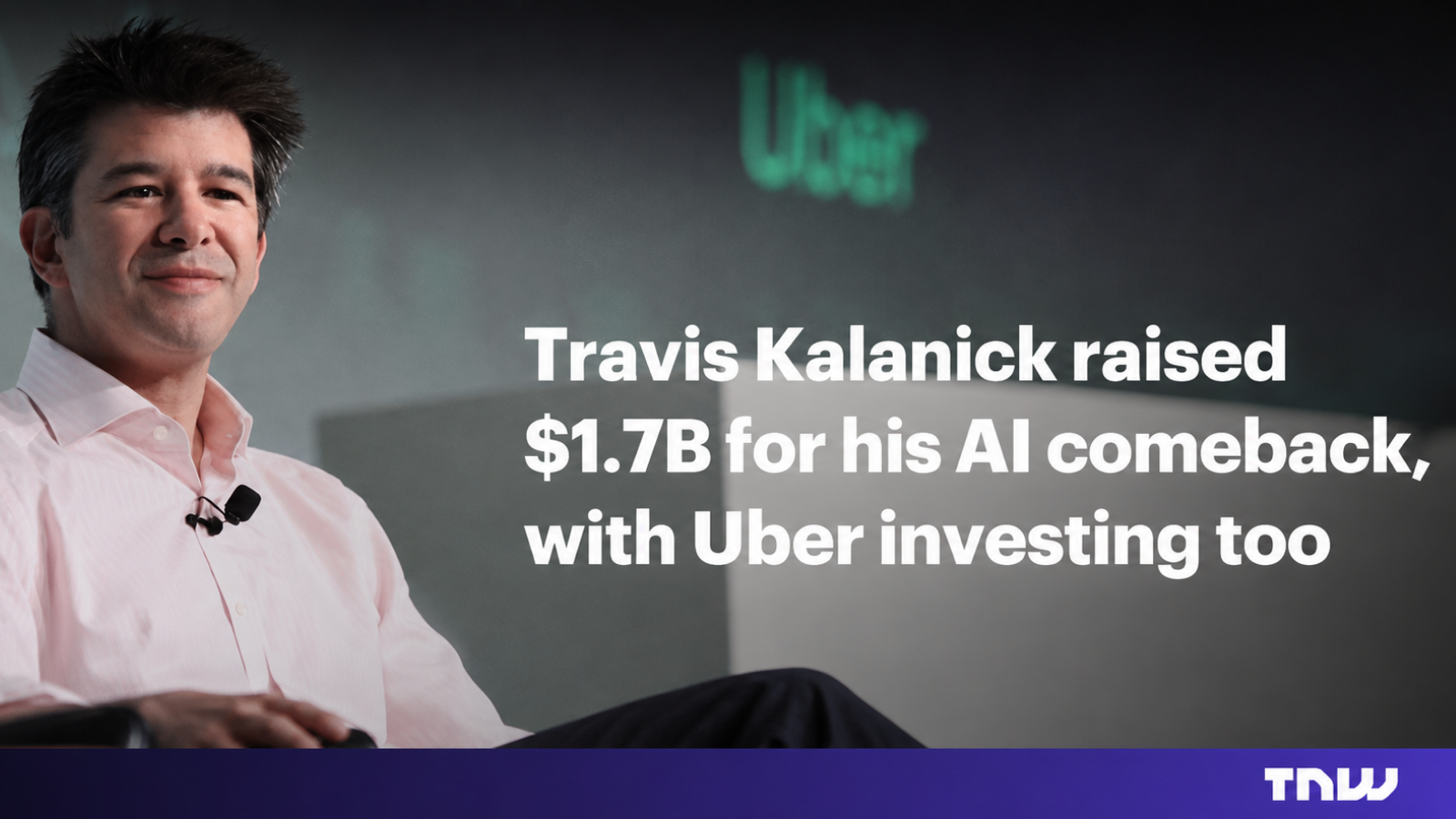
Cheques that size say something about the category, not just the company. Capital is rotating out of pure software and into machines that do work, because that is where the next decade of margin sits.
The bet is not that robots are coming. It is that when they arrive, the returns go to whoever owns the kitchens, the trucks, and the data they generate, whatever shape the machines turn out to be.
This article is for informational purposes only and does not constitute investment advice.
XMAQUINA is a decentralized ecosystem, giving a global community early exposure to the world’s leading robotics companies before they disrupt trillion-dollar industries.
Join our Discord and connect with thousands of futurists building the XMAQUINA DAO.
Follow us on X for the latest updates.
Owner: