


Agility Robotics Is Going Public
What the proposed SPAC transaction means for the DAO.
.png)
August 7, 2026
Category:
Physical AI
Read time:
8 minutes
Share This:
The European robotics industry has spent years sitting in the shadow of the United States and China.
The US produced companies like Figure AI and Apptronik. China responded with Unitree, UBTECH, and AgiBot, backed by enormous domestic investment and one of the world’s largest manufacturing bases. Europe, despite decades of robotics research and some of the world’s strongest industrial companies, rarely dominated the conversation. However, from what we’ve seen so far in 2026, this may be starting to change.
Over the past year, Europe has produced some of its largest robotics funding rounds ever. New humanoid companies have come up from stealth, established robotics firms have continued scaling internationally, and industrial leaders like Bosch and Schaeffler have started placing increasingly ambitious bets on the sector.
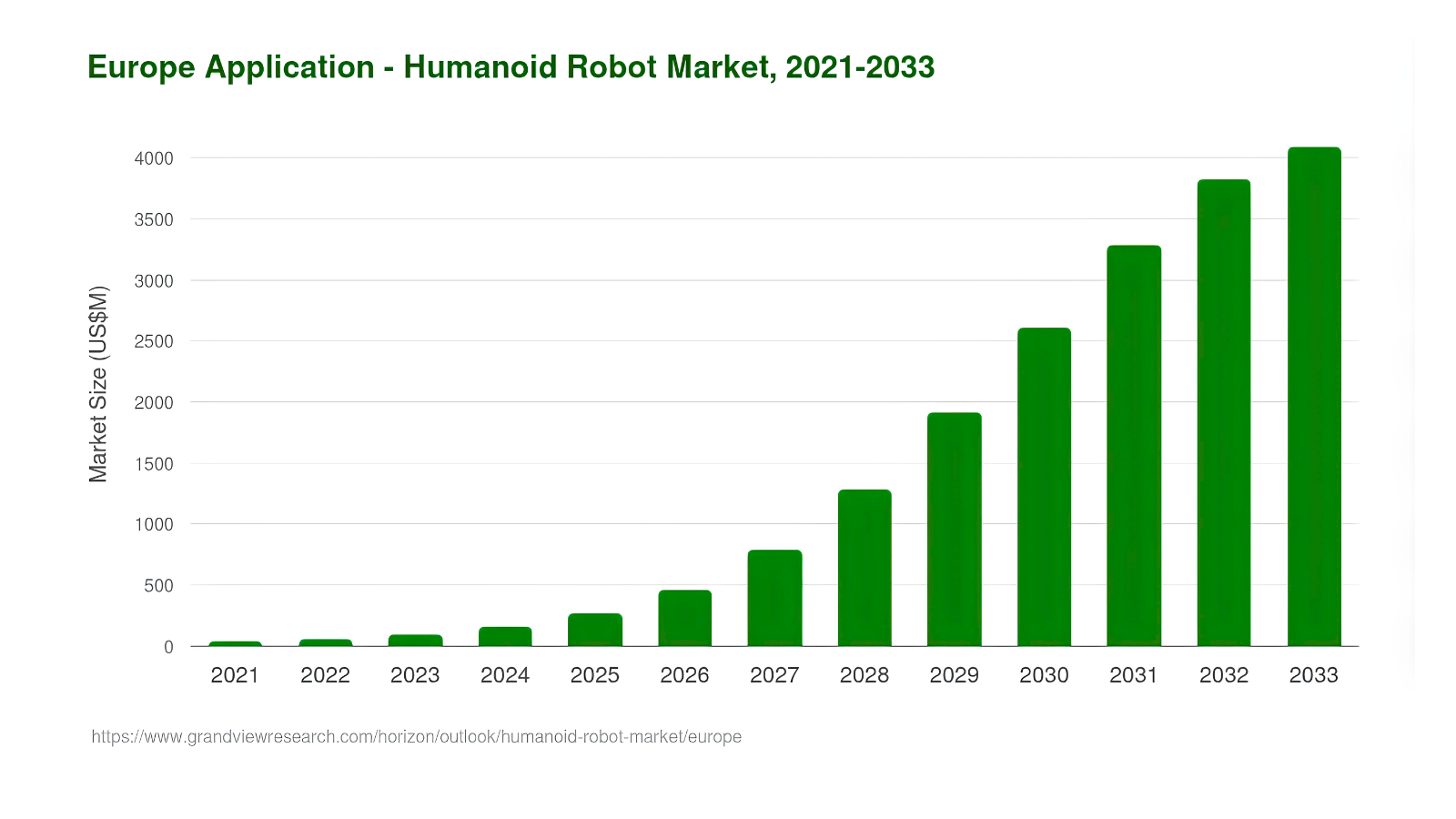
But just how early are we? According to Grand View Research, Europe’s humanoid robot market is expected to grow from $462 million in 2026 to more than $4 billion by 2033, representing a compound annual growth rate of 36.5%. Manufacturing remains the largest market today, while residential robotics is expected to become the fastest growing segment over the coming decade.
This doesn’t mean Europe now sits on par with China and the US, but for the first time in years, it does feel like Europe may be starting to catch up.
Here’s what we’ve seen so far:
The biggest winner so far has been Germany’s NEURA Robotics.
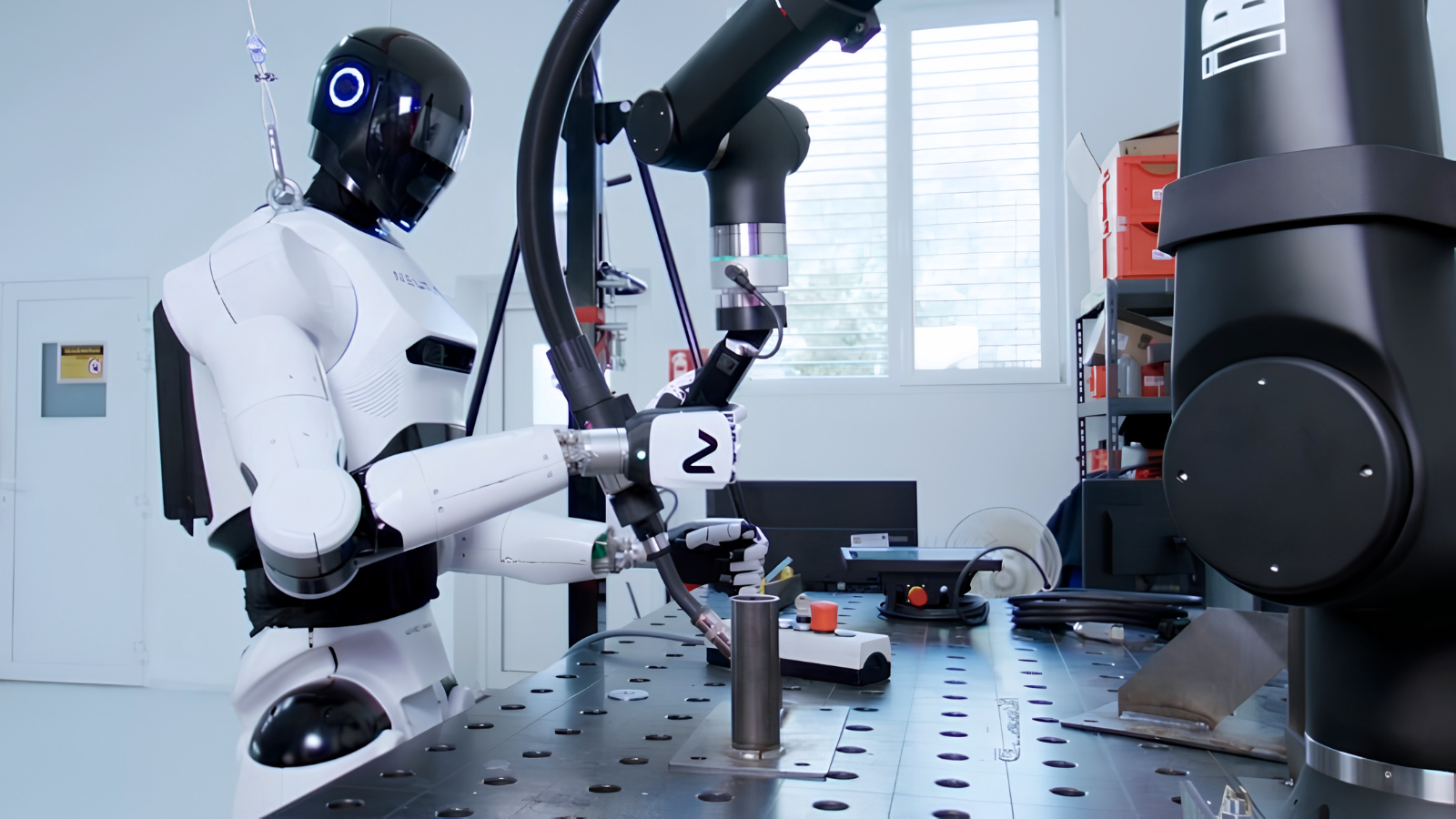
When we last wrote about the company a little over a year ago, the conversation centred around the launch of 4NE-1 and whether Europe could finally produce a globally competitive humanoid robot. Since then, the company has continued to progress and expand its operations.
In July, NEURA announced a Series C of up to $1.4 billion, valuing the company at around $7 billion. The investor list is just as interesting as the size of the round, bringing together Amazon, NVIDIA, Qualcomm, Bosch, Schaeffler, Tether and the European Investment Bank. That combination of industrial companies, technology firms and institutional capital is something we haven’t really seen before in European robotics.
Alongside 4NE-1, NEURA has also continued developing Neuraverse, its robotics ecosystem that allows developers to build and distribute applications across different robotic platforms. If successful, it could help create a broader software ecosystem around robotics in much the same way app stores did for smartphones.
Germany’s robotics industry isn’t being built by one company alone.
Agile Robots has become one of Europe’s largest robotics companies, raising more than $1.5 billion since it was founded in 2018. Unlike many of the newer humanoid startups, Agile has spent the past few years building industrial robotics systems for manufacturing and automation, while steadily expanding through acquisitions and international growth.
The company also announced a partnership with Google DeepMind this year, combining DeepMind’s Gemini models with Agile’s robotics platform. While much of the attention this year has gone to humanoids, Agile’s growth shows that industrial robotics continues to be one of Europe’s strongest areas.
New to our radar is Nucleus Robotics, which has just emerged from stealth this month.
The founding team brings together experience from companies including 1X, Foundation, Agile Robots, CERN and ESA, but what makes the company interesting is its deployment strategy.
Nucleus isn’t waiting until humanoids reach full autonomy before putting them to work. Instead, it plans to deploy robots into factories immediately using AI agents and supervised operation, allowing customers to automate work today while continuously collecting data to improve the robots over time.
The company believes real factory data will become one of the industry’s most valuable assets. Every deployment generates information that cannot be recreated in simulation, making each robot more capable with every task it completes.
Not every robotics company attracting investment is building hardware.
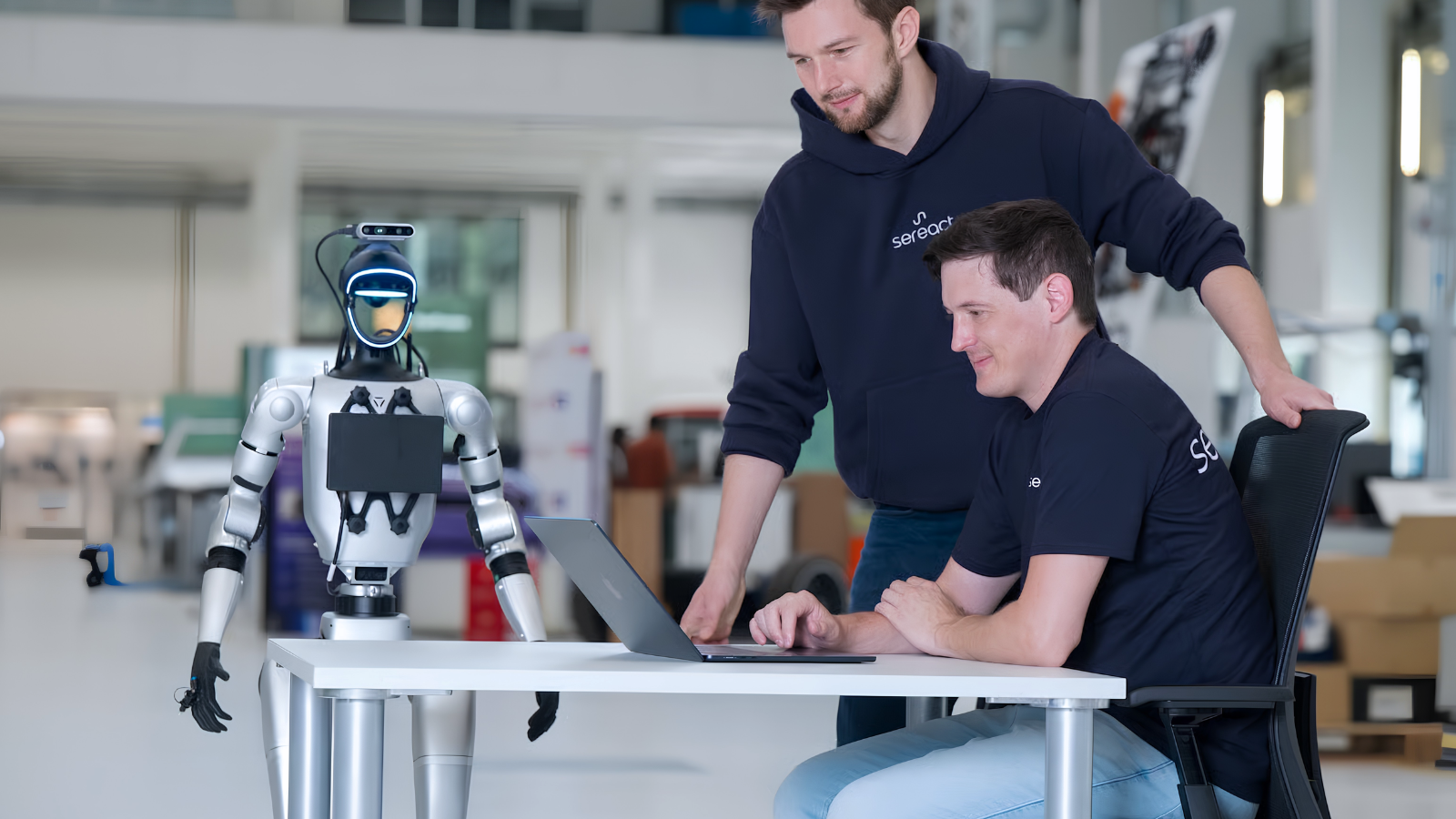
German startup Sereact recently expanded its Series B funding, bringing the round to $116 million, with Zalando joining as a strategic investor. The company has now raised more than $145 million in total.
Its Cortex platform has already completed more than one billion picking operations across over 200 warehouse systems throughout Europe. The next version, Cortex 2.0, is designed to plan movements before acting, allowing robots to evaluate different actions before executing them.
Sereact is also developing the software to work across different robot platforms, including humanoids.
The United Kingdom has also produced one of Europe’s largest robotics funding rounds this year.
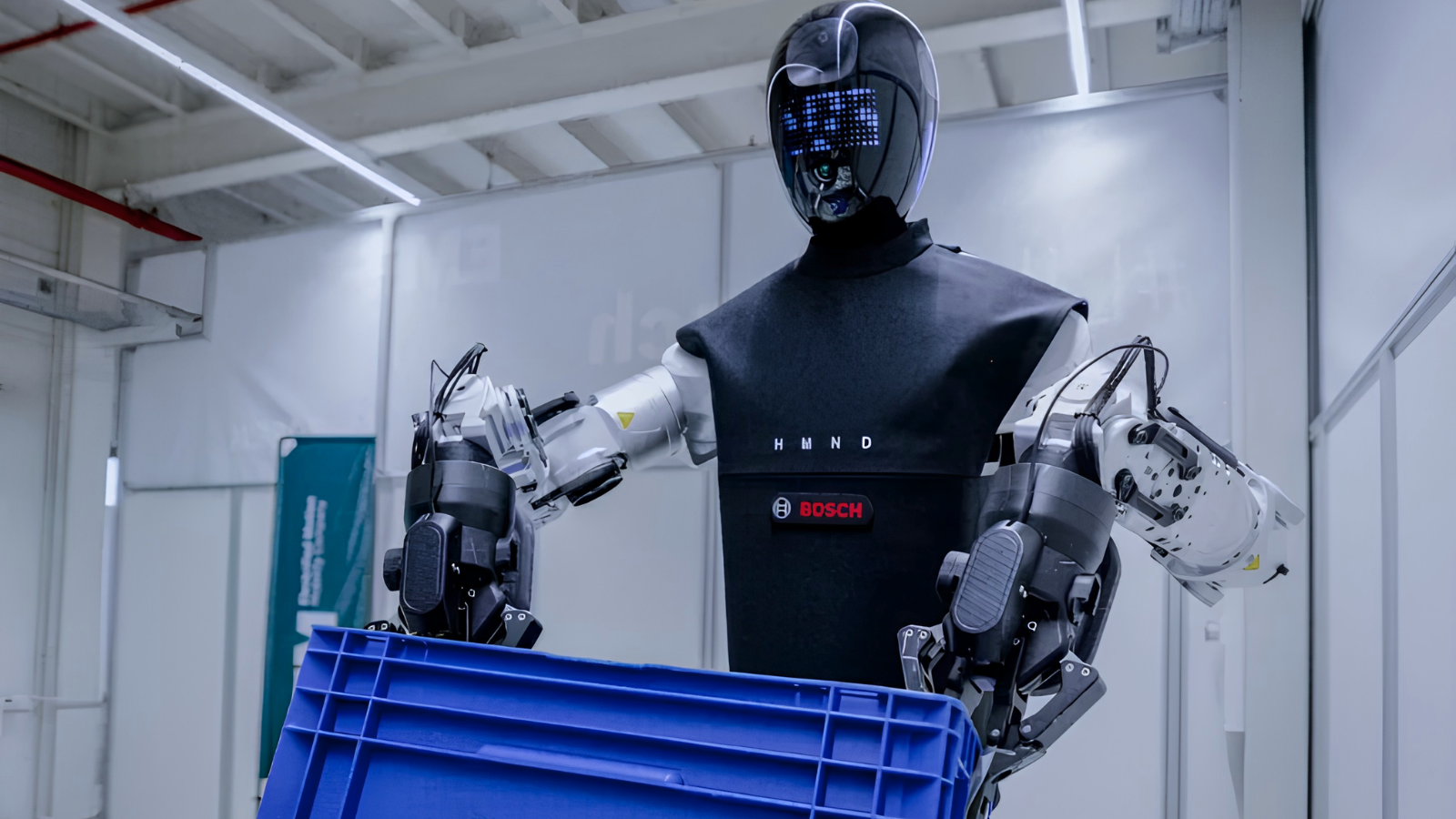
Humanoid announced a $152 million Series A, valuing the company at approximately $1.35 billion and becoming Europe’s first pure-play humanoid robotics unicorn. The company has now raised $270 million in just two years.
The funding follows a busy few months. Humanoid announced Bosch as its manufacturing partner after completing a successful proof of concept inside one of Bosch’s logistics facilities, while Schaeffler signed an agreement that could see thousands of robots deployed across its manufacturing network over the coming years.
Unlike most humanoid companies, Humanoid is also betting on a wheeled platform for industrial environments, arguing that many factory and warehouse applications don’t require bipedal locomotion.
Barcelona based THEKER Robotics announced an $85 million Series A, led by CRV with participation from Samsung, LVMH, Cathay Innovation and existing investor Inditex. The funding will support the company’s commercial expansion and continued development of its AI robotics platform.
Unlike many of the companies on this list, THEKER isn’t building humanoids. The company is developing AI native general purpose robots for industrial environments, designed to adapt to different tasks without the extensive reprogramming that traditional industrial robots often require.
Its focus is on sectors including manufacturing, logistics, retail and waste management, where production environments change frequently and flexibility is becoming just as important as automation itself.
Italy has also produced one of Europe’s new humanoid contenders. Genoa-based Generative Bionics emerged from the Italian Institute of Technology with €70 million in funding, announced late last year, and revealed its GENE.01 humanoid concept.
The company is built on more than two decades of IIT humanoid research, including work on platforms such as iCub and ergoCub. Its investors include, CDP Venture Capital, AMD Ventures, Eni Next, Duferco, RoboIT and Tether, suggesting a similar mix of state-backed capital, industrial partners and compute infrastructure that is beginning to define Europe’s physical AI push.
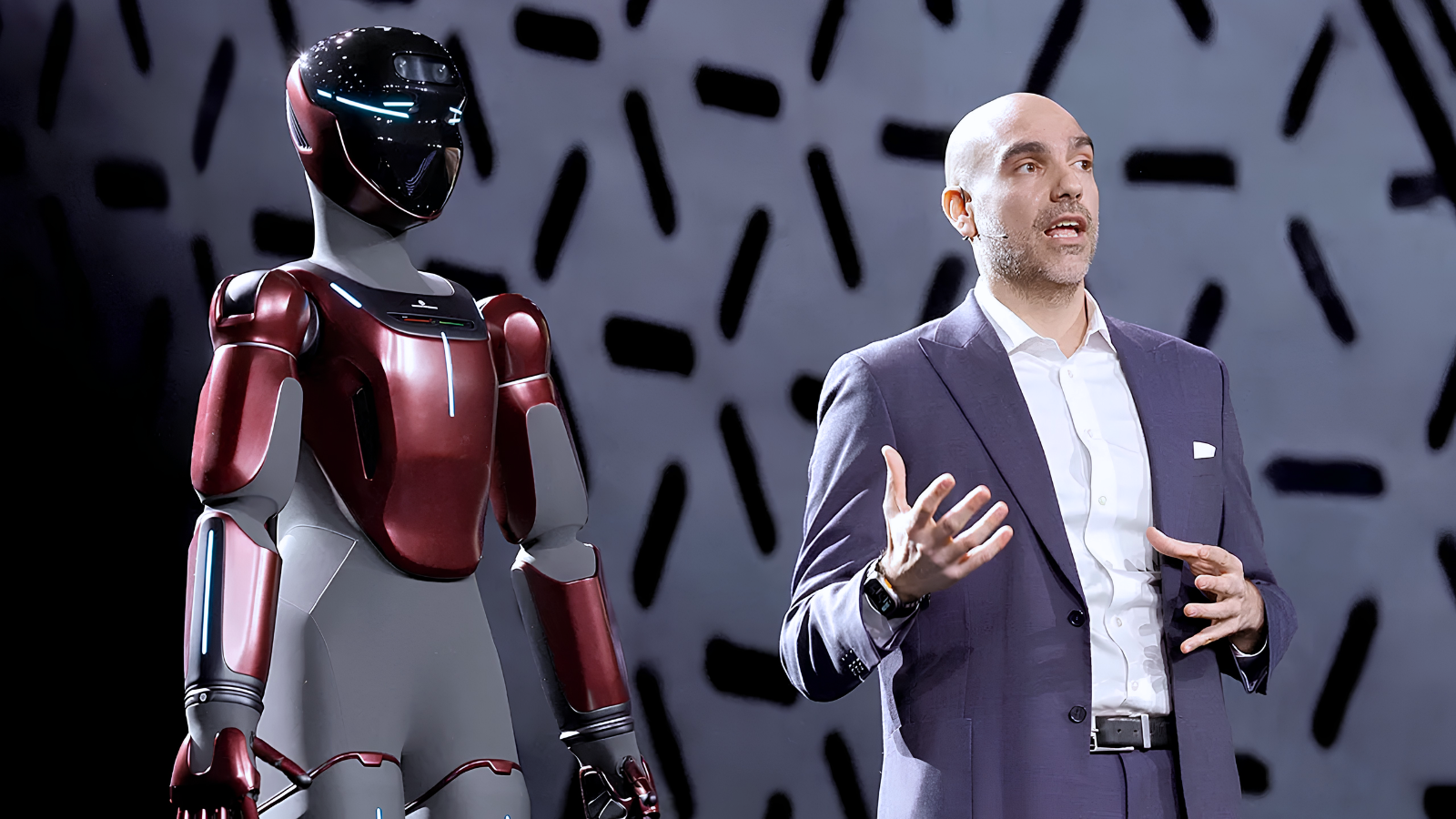
Europe still has ground to make up. China and the United States remain ahead in both capital and commercial deployment, but compared to even a year ago, the conversation around European robotics feels very different.
XMAQUINA is a decentralized ecosystem, giving a global community early exposure to the world’s leading robotics companies before they disrupt trillion-dollar industries.
Join our Discord and connect with thousands of futurists building the XMAQUINA DAO.
Follow us on X for the latest updates.
Owner:

.png)

