Building RCM 02
Access is only the beginning.
.png)
August 27, 2026
Category:
Physical AI
Read time:
9 minutes
Share This:
Four years ago, Figure didn’t have a robot.
Today, the company is valued at $39 billion, has built more than 1,000 humanoids, has robots working inside BMW, is preparing deployments with another major US retailer, and has developed its own AI models, manufacturing infrastructure and global data collection network.
That alone would make Figure one of the most interesting companies in robotics, but what makes Figure particularly unusual is the speed at which all of these pieces are being built at the same time.
Most robotics companies have historically specialized somewhere in the stack. Hardware companies build robots. AI labs build models. Manufacturers build factories. Figure is attempting all of it internally, while simultaneously turning its development process into something the public can watch almost in real time.
Figure was founded by Brett Adcock in 2022. Four years later, perhaps the clearest thing separating it from the rest of the humanoid industry is how quickly it moves.
In an industry where new hardware can take years to develop, Figure has introduced a new generation of humanoid almost every year.
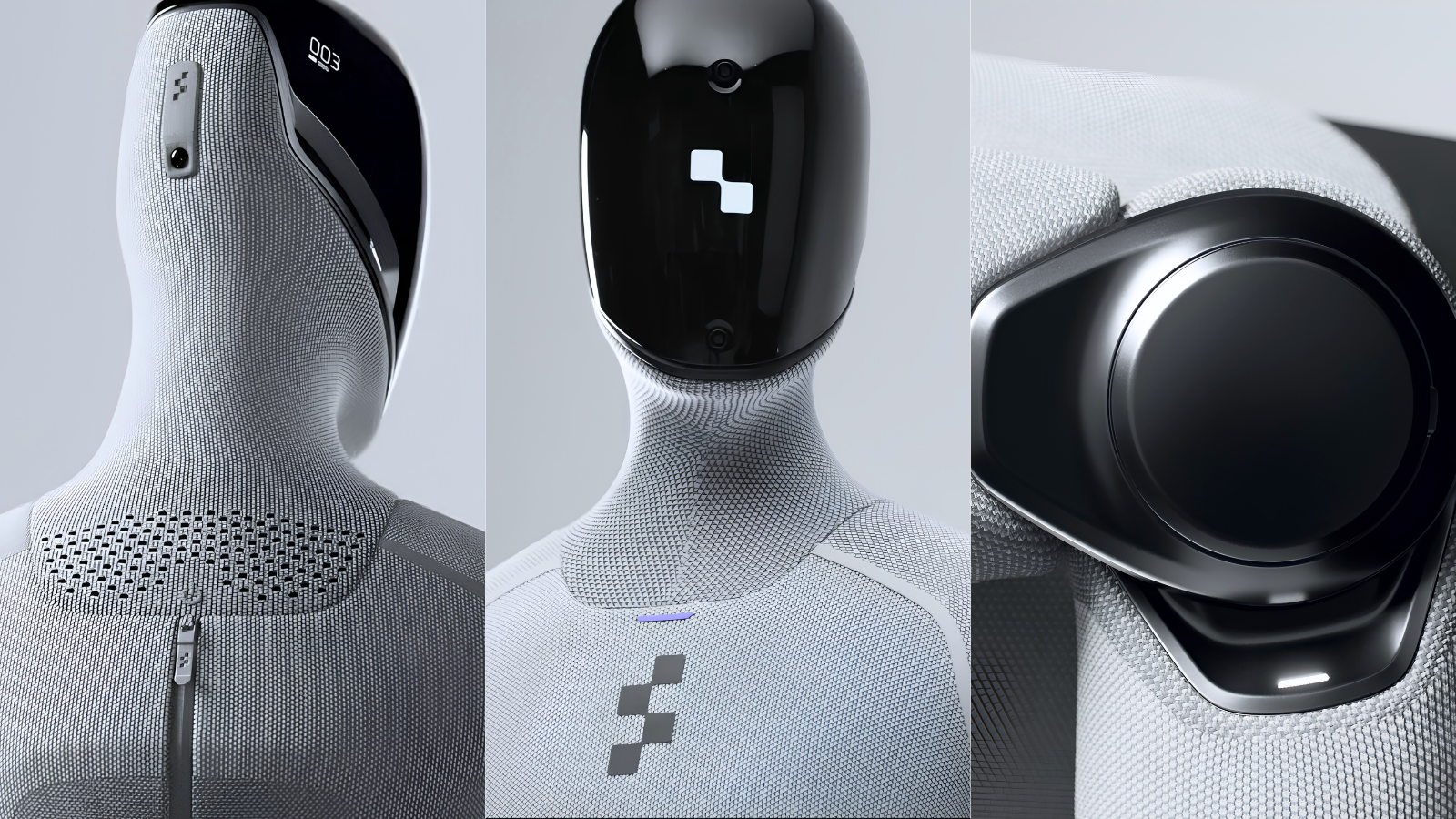
Four years has shown us something that wasn’t obvious when Figure launched. The company isn’t trying to perfect one humanoid and spend years bringing it to market. It is treating the robot more like a technology platform, shipping a generation, learning from it, and quickly feeding those lessons into the next one.
That speed of iteration may be Figure’s biggest advantage today. As the company has grown, the same philosophy has started showing up everywhere else, from Helix to manufacturing and now data.
BMW has played an important role in Figure’s development over the past two years. Figure 02 spent 11 months inside BMW’s Spartanburg plant, where it handled more than 90,000 parts and contributed to the production of 30,000 BMW X3s. Rather than keep improving that generation, Figure retired it and carried what it learned into Figure 03.
This year, F.03 returned to BMW with a much harder sequencing task. Parts can arrive shifted or rotated, requiring the robot to continuously adjust its movements while picking, placing and even pulling heavy carts around the factory. Helix 02 controls the hands, arms, torso and feet together, allowing the robot to move and manipulate objects as one continuous action rather than treating locomotion and manipulation as separate problems.
BMW has effectively become part of Figure’s R&D loop. Figure 02 gave the company real factory experience, that experience shaped Figure 03, and better hardware has given Helix a more capable platform to learn on.
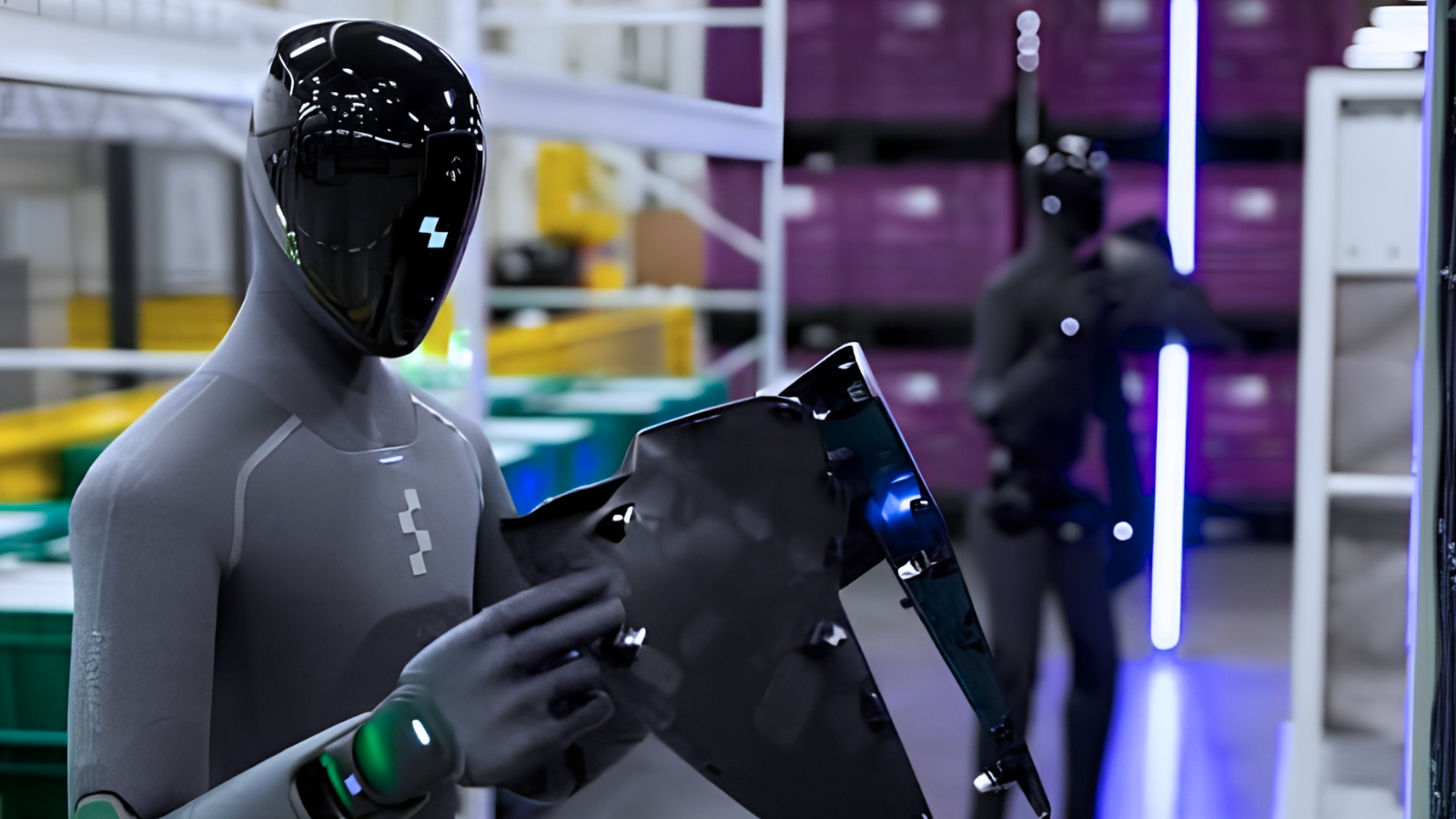
Figure recently revealed another piece of that loop with Index, a platform it has been using to collect videos of people performing physical tasks.
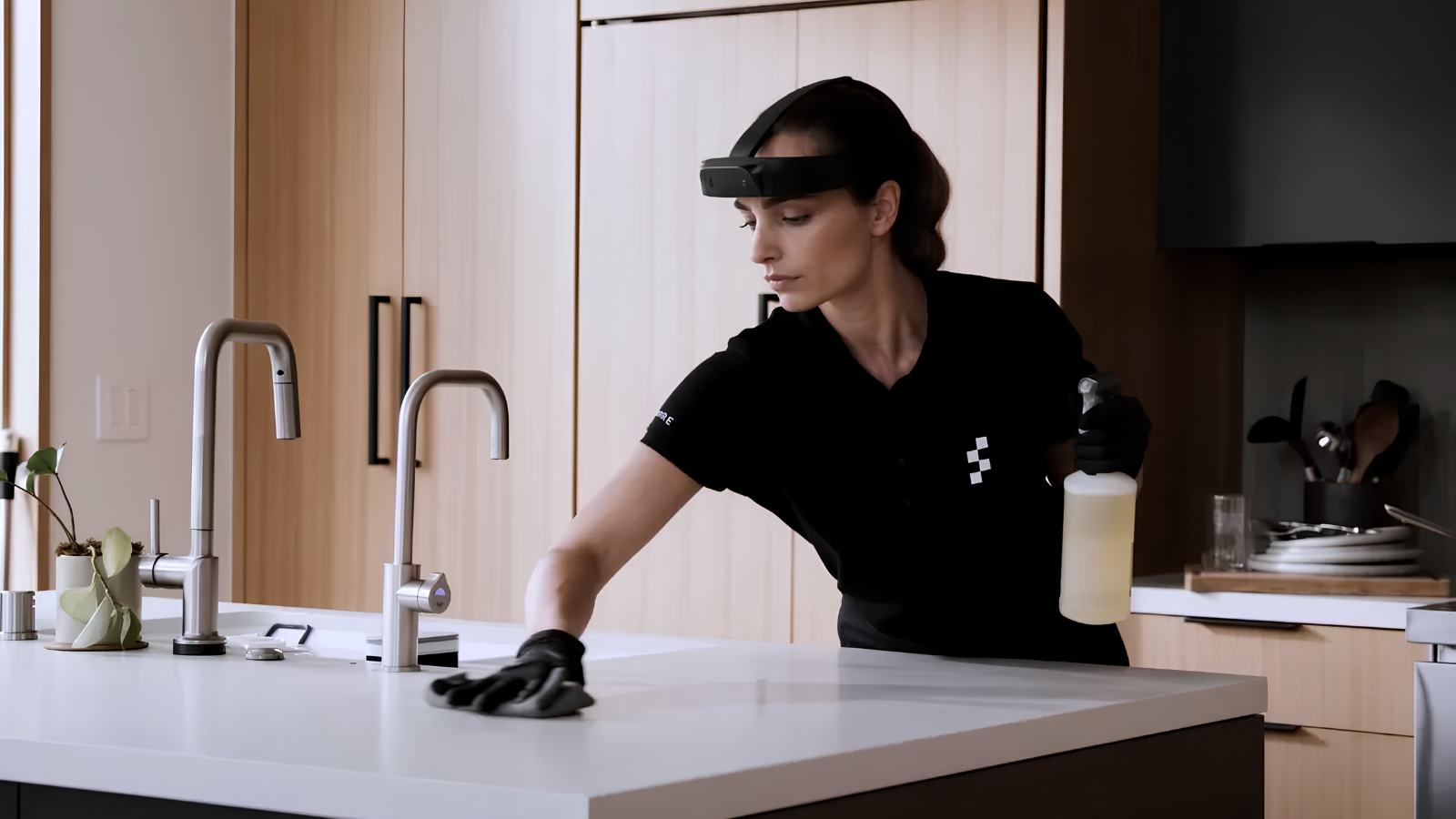
Before its public launch, Index had already reached 264,000 downloads across 108 countries and collected 16 million videos. More than 44,000 people are contributing each week, with around 30 minutes of new footage uploaded every second. Figure has already paid contributors $15 million and plans to spend more than $1 billion on data and compute over the next year.
The internet gave digital AI enormous datasets of text, images and video, but there is no equivalent dataset showing how humans physically interact with the world. Figure’s own robot fleet can’t generate that diversity quickly enough either, so instead it is paying people around the world to help build it.
If BotQ is Figure’s attempt to scale the hardware, Index looks like its attempt to scale the intelligence behind it.
Brett Adcock has made Figure unusually public for a robotics company. New robot generations, production milestones, factory footage and capabilities are shared constantly, making it possible to follow the company’s progress almost as it happens. Figure has also been particularly good at turning complicated robotics research into demonstrations that millions of people can understand and watch.
That visibility has helped make Figure one of the most recognizable names in the industry, but it also has practical value. Every demonstration puts the company in front of potential engineers, investors, customers and partners. When Figure announces a breakthrough, it rarely stays within the robotics community.
Consistency is also important. Figure always seems to have something new to show, whether it’s another Helix capability, a production milestone, progress at BMW or an entirely new robot generation. That constant stream of progress has created a perception of momentum around the company that few robotics startups have been able to match.
Of course, good marketing only works for so long without the engineering to support it. Figure’s advantage is that so far, it has been able to keep giving people something new to talk about.
At $39 billion, the expectations are now enormous. Figure still has to prove that its deployments can work economically at scale, that BotQ can manufacture robots reliably in much larger numbers, and that millions of Index videos translate into better intelligence. Tesla, Apptronik, 1X and a growing group of Chinese manufacturers are all attacking parts of the same opportunity.
But four years in, there is a reasonable argument that Figure has become the biggest name in humanoid robotics.
Not because it has deployed the most robots or built the largest business. It hasn’t. What Figure has done unusually well is make capital, engineering, deployment, data and attention reinforce each other, while moving through each development cycle remarkably quickly.
Four years ago, Figure didn’t have a robot. Today, much of the humanoid industry is being measured against it.
XMAQUINA is a decentralized ecosystem, giving a global community early exposure to the world’s leading robotics companies before they disrupt trillion-dollar industries.
Join our Discord and connect with thousands of futurists building the XMAQUINA DAO.
Follow us on X for the latest updates.
Owner: