Building RCM 03
Minting an asset onchain does not create a market.
June 2, 2026
Category:
Physical AI
Read time:
9 minutes
Share This:
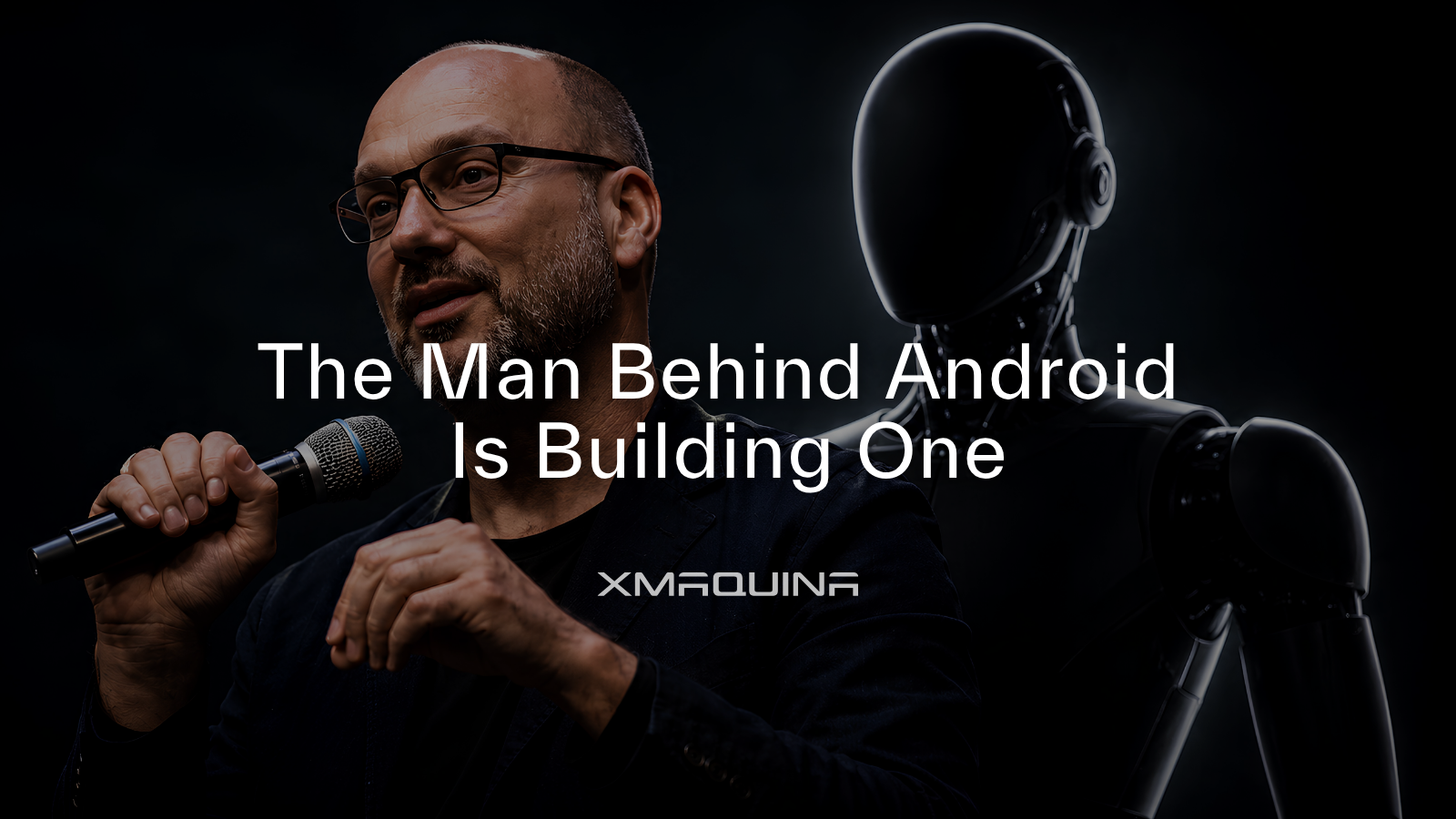
Before Android powered billions of phones, it was a nickname. Andy Rubin earned it at Apple in 1989, where his fixation on robots set him apart from the engineers around him. He later borrowed the word for an operating system that became the most popular mobile operating system ever.
Three decades on, Rubin is going back to the literal definition. From a small office in Tokyo, his new company, Genki Robotics, is building actual androids.
It has done so almost entirely in stealth. There is no public robot, no demo reel, no product page, nothing besides a mission statement and a list of logos. However, there is a founder, a roster of blue-chip investors, and, as of April 2026, a valuation of roughly one billion dollars. That combination is the whole story, and the whole question.
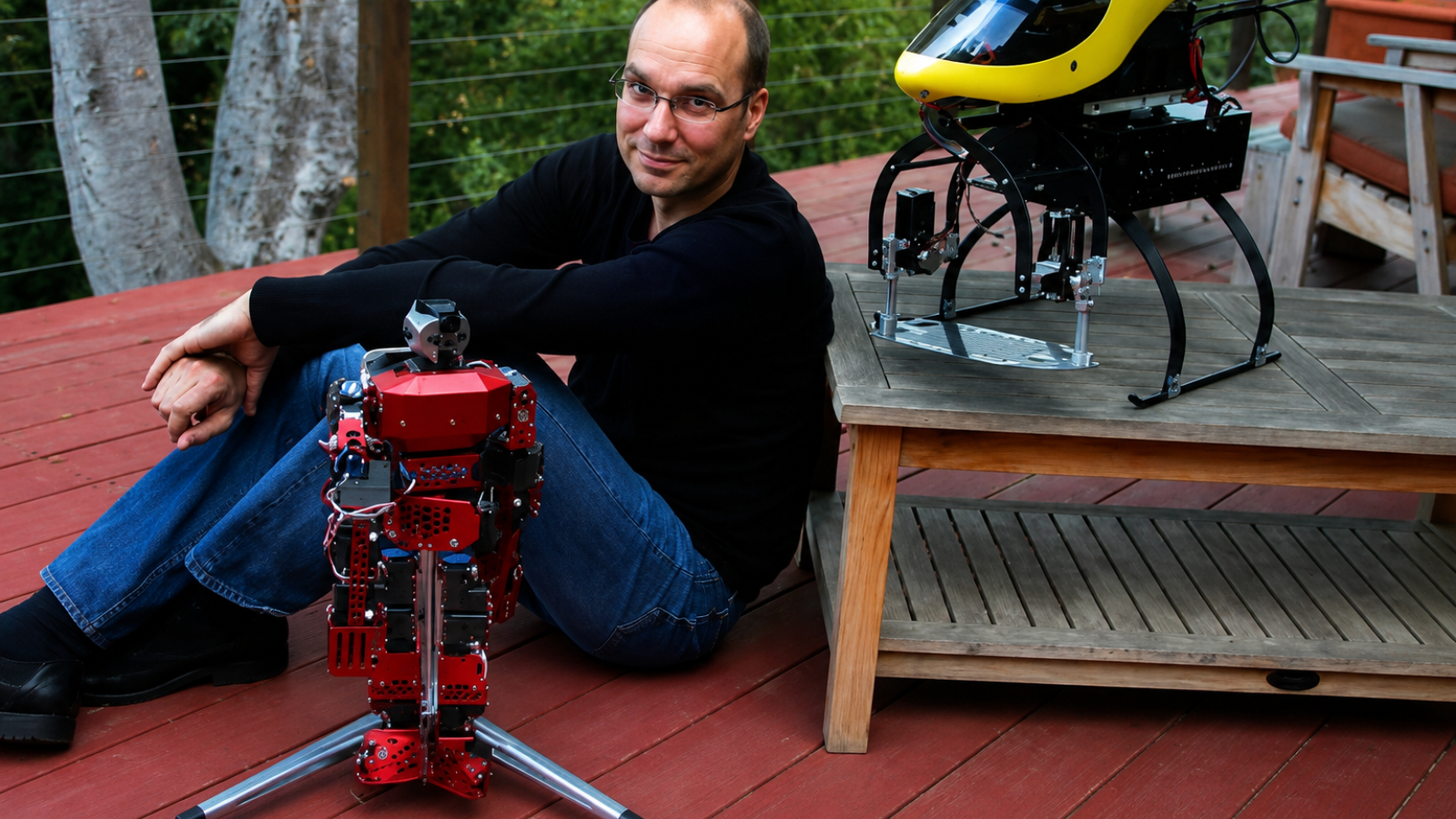
Rubin's robotics credibility is not borrowed. He started his career as a robotics engineer, and machine intelligence has run through every chapter since.
His most relevant work came at Google. In 2013, over roughly six months, Rubin orchestrated one of the most aggressive acquisition sprees the field has seen, pulling in around eight robotics companies including Boston Dynamics and Schaft. Larry Page reportedly compared the effort to Android itself, a moonshot with world-changing potential. Schaft is the detail worth holding onto: it was a University of Tokyo spinout that had just stunned the field at the 2013 DARPA Robotics Challenge. Rubin has been looking at Japanese robotics talent for more than a decade.
After leaving Google in 2014, he co-founded Playground Global, a hardware-focused incubator that was an early backer of Agility Robotics, one of the more serious humanoid companies operating today. He also founded Essential, a smartphone maker that launched a single phone and then wound down.
Rubin has built a platform that reshaped an industry (Android), made early and correct bets on robotics (Agility, Boston Dynamics), and also shipped a hardware product that failed in the market (Essential). Genki is being underwritten on the first two and against the third.
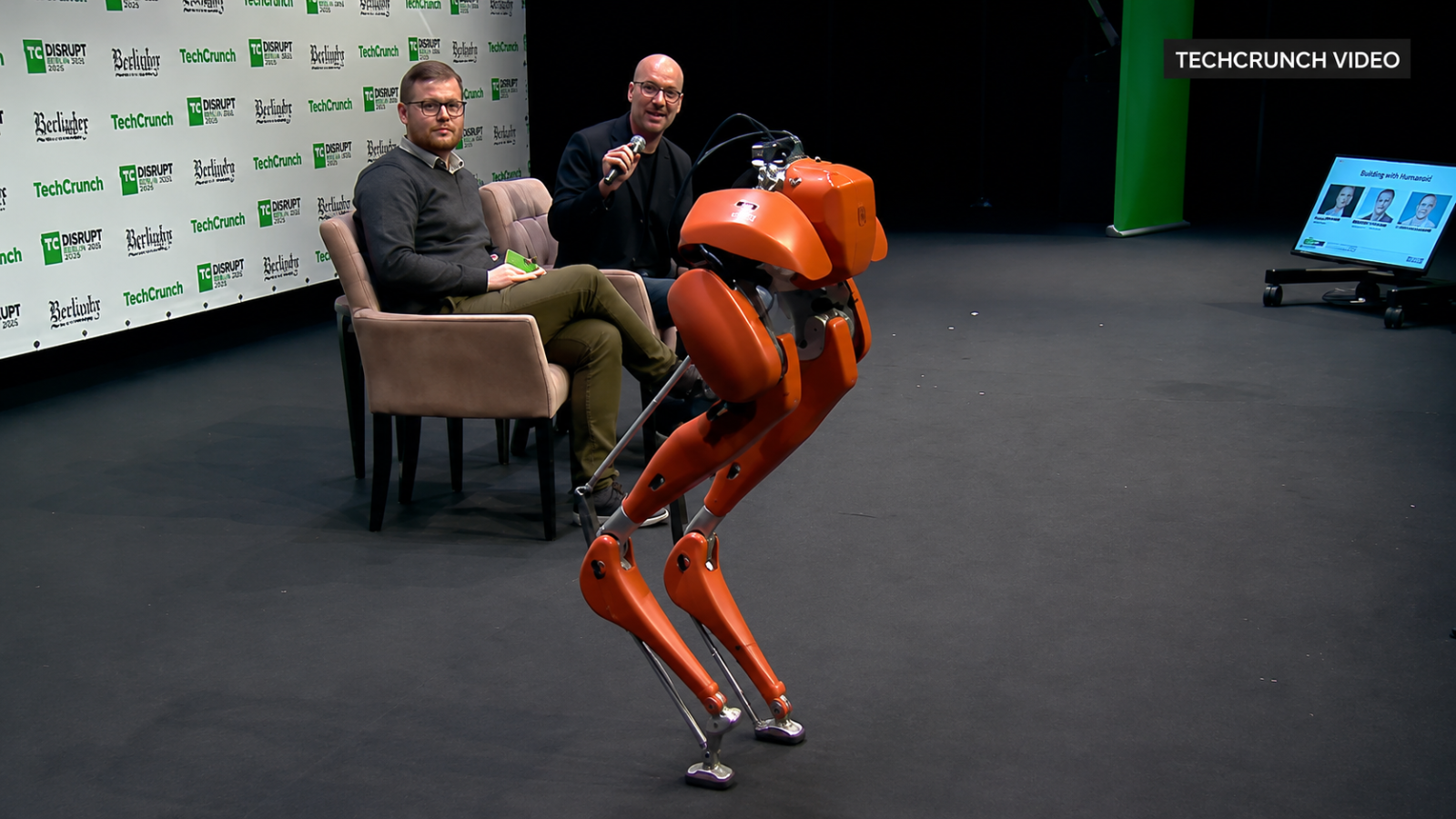
Choosing Japan was well thought out. The country offers one of the deepest pools of robotics and precision-hardware engineering in the world, and it faces a demographic squeeze that turns automation from a convenience into a necessity. The market demand and the engineering supply sit in the same place. Recent moves, including SoftBank's push deeper into physical AI, suggest the country is positioning for a robotics resurgence, and Genki is lining up with that.
There is a more interesting angle underneath the talent argument. Rubin's real achievement with Android was not a piece of software, it was an ecosystem, a platform that manufacturers, developers, and consumers all wanted to join. He has framed the robotics opportunity in the same terms he once used for smartphones.
If Genki is built as a platform rather than a single product, that lineage matters more than any individual prototype. It is also, notably, the one thing almost no other humanoid company is genuinely attempting.
.png)
Stealth means the honest inventory is short.
Genki describes itself as building humanoid systems for public safety, urban maintenance, and other mission-driven settings, the kind of hazardous, unglamorous work that is hard to staff and dangerous to do. Its stated approach combines physical AI with resilient hardware and dexterous end-effectors, robots meant to handle unpredictable real-world environments rather than lab performance. The company says its aim is to speed the integration of intelligent humanoids into society and to augment human capability across work and service.
The name fits the pitch. Genki means vibrant or healthy in Japanese and Rubin has signalled he wants machines that move with something closer to life than the careful shuffle of a demo unit. Given his long-documented interest in legged locomotion, dynamic mobility is a reasonable guess at the emphasis.
That is most of what is confirmed. Reports place a team being assembled in Tokyo and early prototypes in development. There is no public benchmark, no disclosed deployment, and no revenue. Everything else is inference.
Here is the part that deserves a clear eye.
Genki raised a roughly $50 million seed in 2025, led by Andreessen Horowitz. Less than a year later, in April 2026, it closed a Series A at an approximate one-billion-dollar valuation. The cap table is unusually strong for a company at this stage: Andreessen Horowitz, DCM, AMD, Incubate Fund, and X&. AMD is the strategically interesting name, given how GPU-hungry Physical AI is.
A unicorn valuation before a product is visible is interesting. The Information described the humanoid space Genki sits in as "red-hot and frothy," and this round is a clean example of why. The valuation seems underwritten by a founder's track record and by a sector that capital is currently racing to get into.
Genki’s thesis is that Japan is one of the few places where the full robotics stack already exists: precision hardware, mechatronics talent, industrial partners, suppliers, and a demographic need that makes automation urgent rather than optional.
The Android analogy is the real clue. Rubin did not win mobile by building every phone himself. Android sat in the middle of the market: useful to OEMs that needed an operating system, attractive to application providers that needed distribution, and powerful because it made both sides better off.
If Rubin is applying that strategy to robotics, Genki may not be trying to build only a humanoid. It may be trying to build the platform layer between Japanese hardware makers, AI/application providers, and the organizations that will deploy robots in the real world. That is a bigger ambition than launching one machine, and a harder one to prove. The next eighteen months need to show whether Genki has a robot, or the beginnings of an ecosystem others have reason to build around.
XMAQUINA is a decentralized ecosystem, giving a global community early exposure to the world’s leading robotics companies before they disrupt trillion-dollar industries.
Now, you don’t have to be sidelined. Own the rise of humanoids.
Join our Discord and connect with thousands of futurists building the XMAQUINA DAO.
Follow us on X for the latest updates.
Owner: