Building RCM 02
Access is only the beginning.
July 13, 2026
Category:
Physical AI
Read time:
11 minutes
Share This:
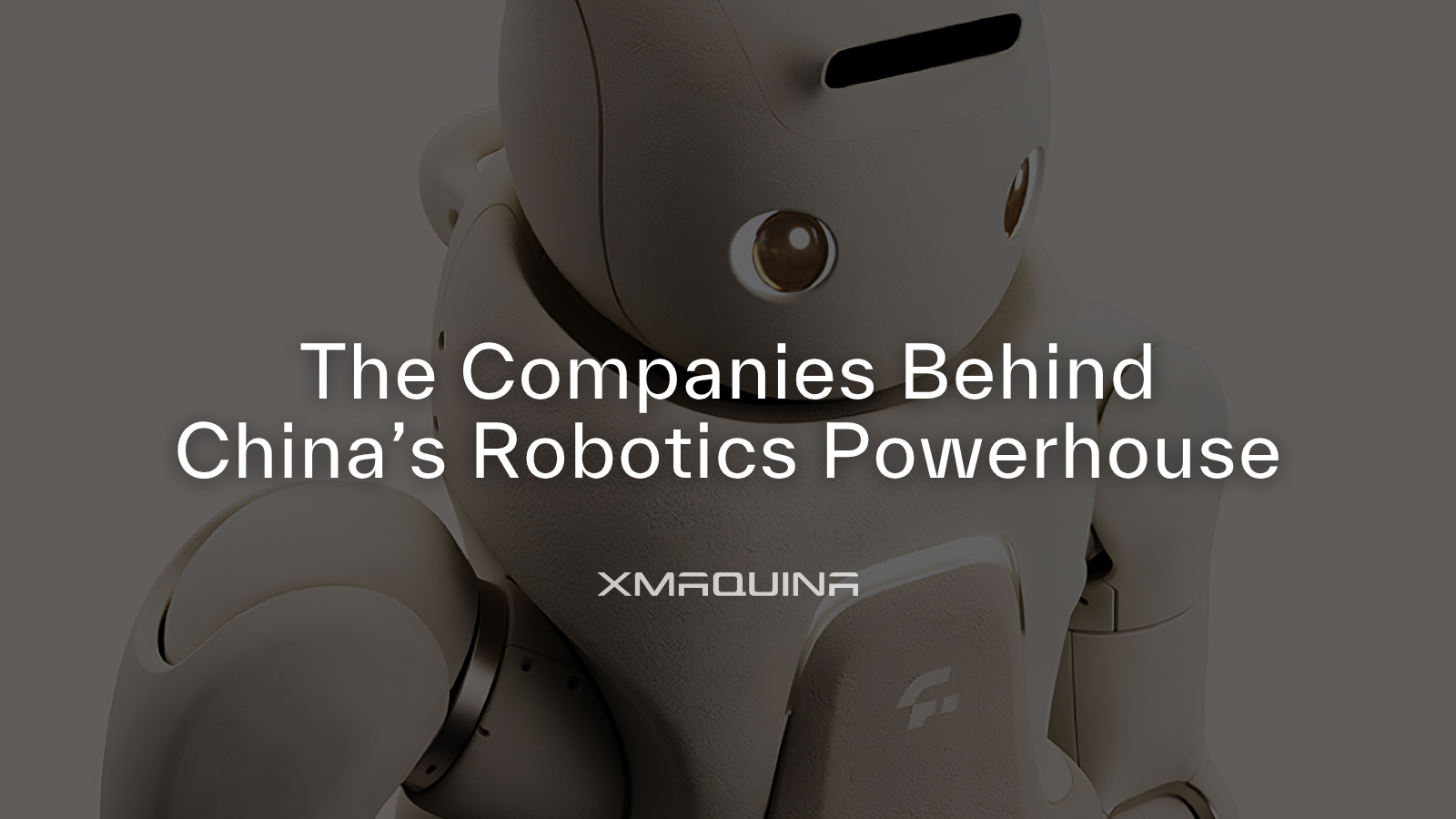
For years, China has been known as the world’s manufacturing powerhouse.
Now it’s trying to become the world’s robotics powerhouse too.
Across Shenzhen, Shanghai, Beijing and Hangzhou, dozens of companies are developing humanoid robots. Some are startups founded only a few years ago, while others are established industrial robotics firms or automotive manufacturers applying decades of engineering experience to a new generation of intelligent machines.
The pace of progress has developed faster than expected. Earlier this year, Morgan Stanley raised its forecast for Chinese humanoid robot shipments for the second time in six months. In January, the bank expected around 14,000 units to ship in 2026. It now expects 50,000, citing faster commercial adoption across manufacturing, logistics and service industries.
Humanoid robotics has become a strategic priority for China, with national and regional governments backing embodied AI through funding, industrial policy and incentives aimed at accelerating commercialization. At the same time, China’s manufacturing ecosystem gives companies access to the components, supply chains and production capacity needed to scale.
There is no shortage of humanoid robotics companies in China. In fact, that may be the point. China is building an entire ecosystem around humanoid robotics.
If you had to name a Chinese humanoid robotics company, most people would probably say Unitree.
That makes sense. Over the past year, Unitree has become one of the most recognizable names in robotics, while EngineAI has attracted millions of views online through its robot fights and impressive demonstrations.
However, focusing only on those companies misses what is happening across China.
Here are some of the names worth paying attention to.
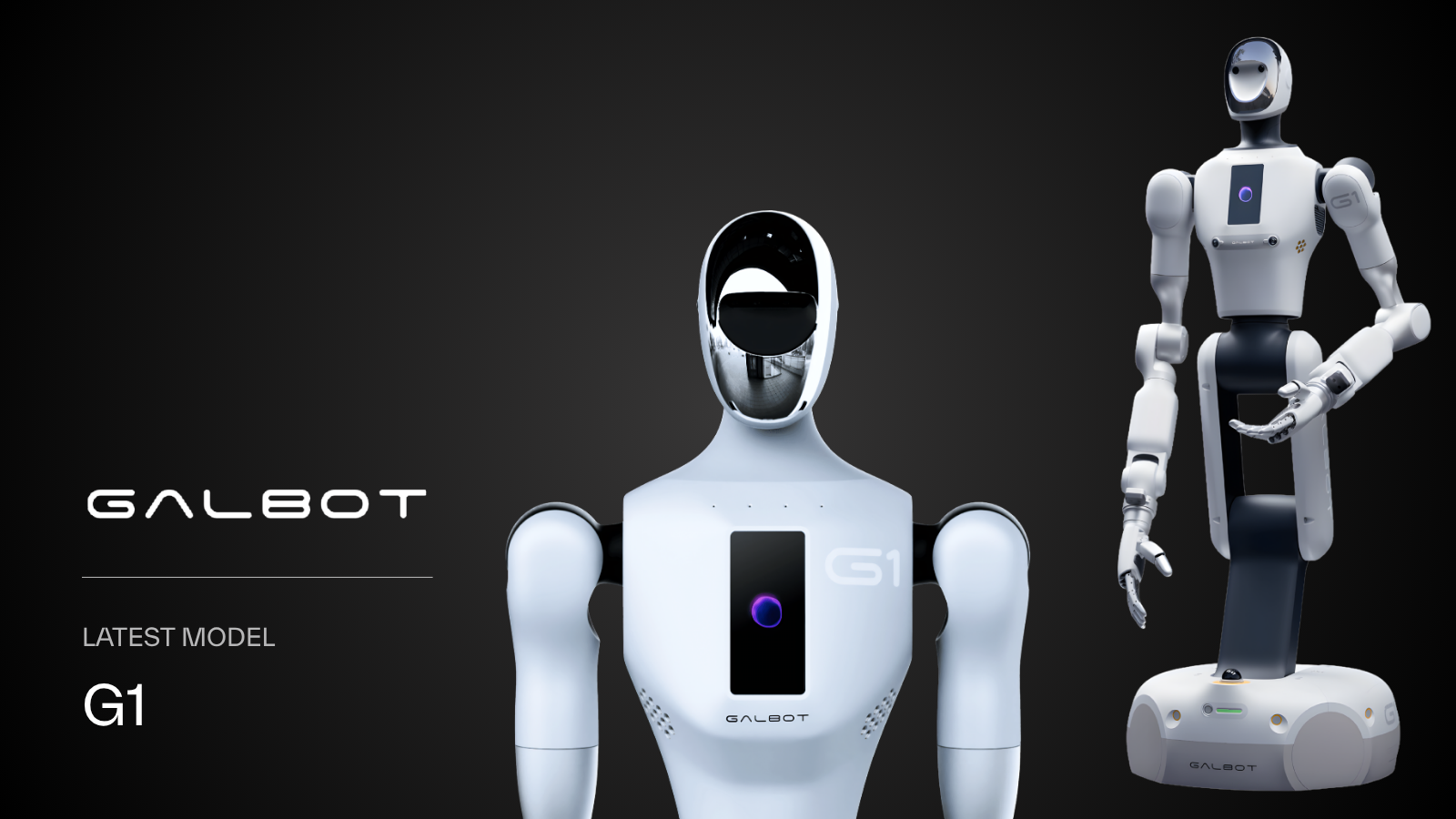
Large funding rounds have become increasingly common across China’s humanoid robotics industry. Few have been as significant as Galbot’s.
Founded in 2023, the Beijing-based startup is developing embodied AI and humanoid robots for logistics, warehousing and industrial automation. Earlier this year, the company raised approximately US$800 million at a valuation of around US$3 billion, placing it among the highest-valued pure-play humanoid robotics companies in the world.
Its robots are designed to operate in structured commercial environments where automation demand is already growing rapidly. The combination of significant funding and a clear industrial focus has quickly made Galbot one of China’s most closely watched robotics companies.
China’s universities have played an important role in the country’s robotics industry. RobotEra is one of the strongest examples.
Founded as a spinout from Tsinghua University, the company develops humanoid robots alongside simulation platforms and embodied AI tools for research and commercial applications. Its STAR1 humanoid has been adopted by universities and robotics laboratories, while the company continues expanding its software platform for developers working on embodied intelligence.
Academic research has often provided the foundation for China’s robotics sector. RobotEra demonstrates how that research is increasingly being translated into commercial products.

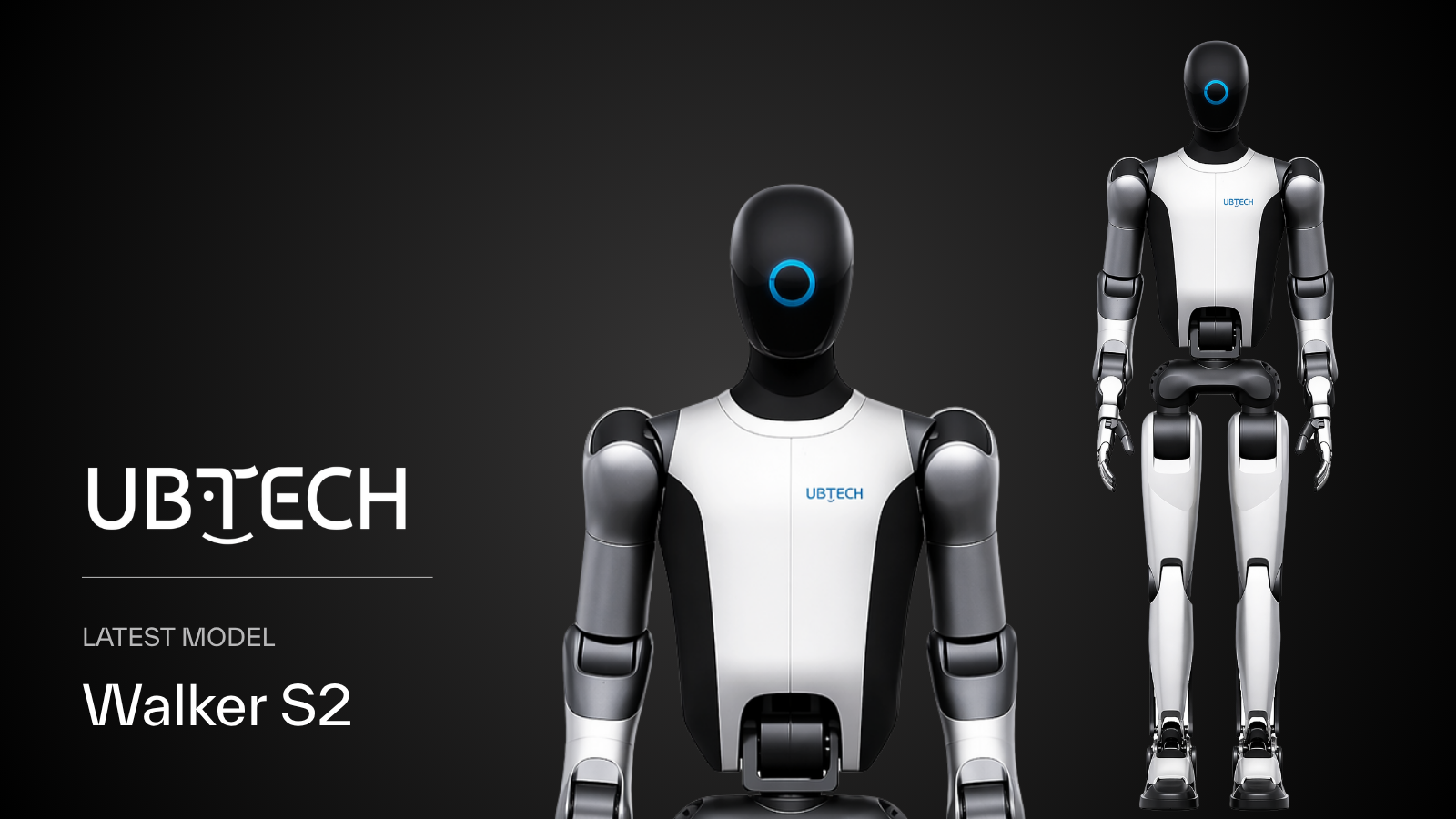
Few companies have been building robots for as long as UBTech.
Founded in Shenzhen in 2012, the company entered humanoids after spending years developing commercial robots for education, enterprise and industrial automation. That experience gave UBTech established manufacturing capability, enterprise customers and a supply chain that many younger companies are still building.
Its Walker series is designed for industrial applications and is already being tested with manufacturers including Dongfeng Motor, Geely Auto, FAW-Volkswagen, BAIC and Foxconn. Earlier this year, UBTech began mass production of Walker S2 after securing more than RMB 800 million in commercial orders.
While China’s humanoid industry is still relatively young, UBTech entered it with more than a decade of commercial robotics experience.
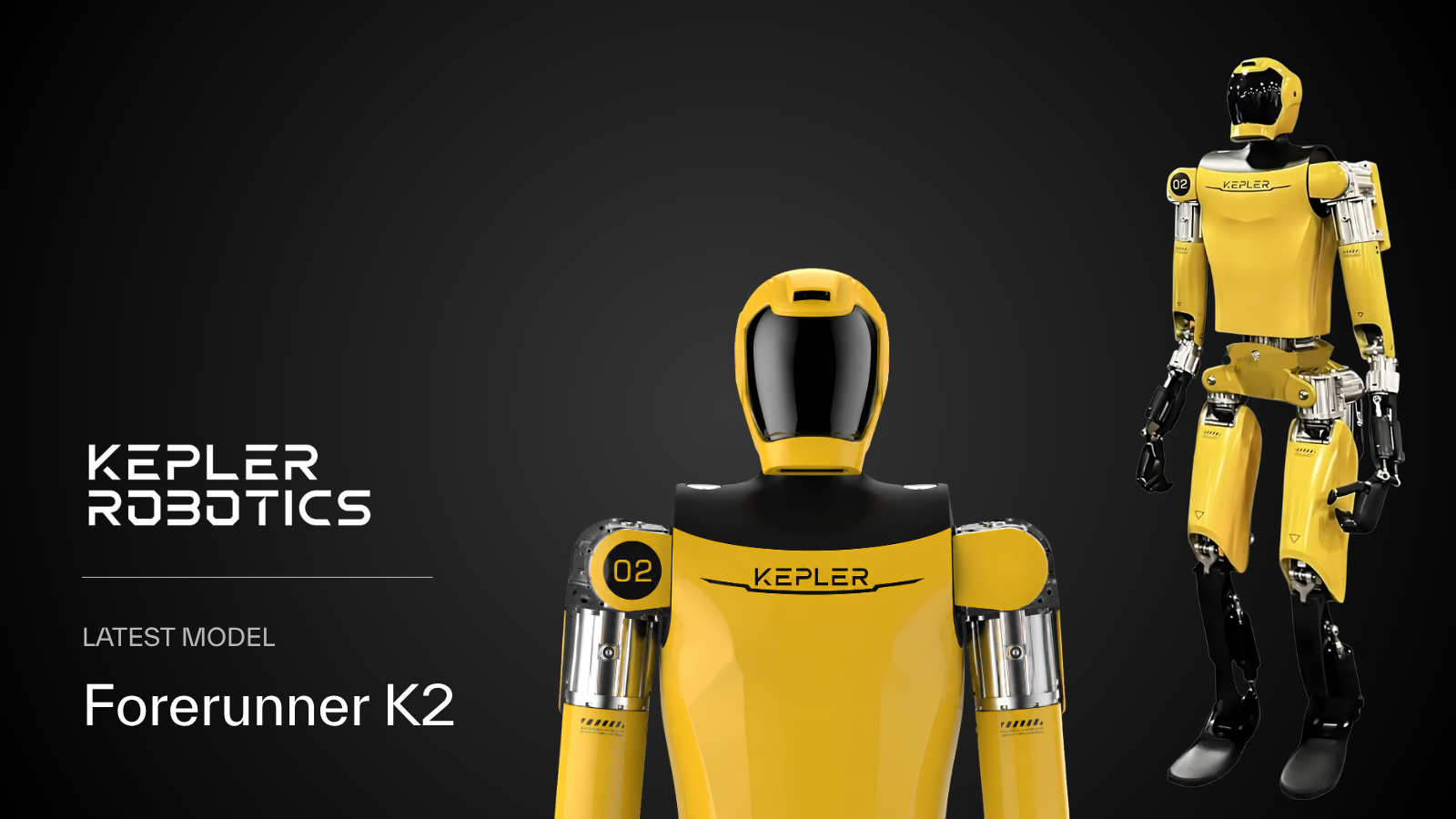
Kepler Robotics is among a new generation of Chinese companies built specifically for the humanoid era.
Founded in 2023, the company has focused on industrial humanoids from the outset, developing its Forerunner series for manufacturing, warehousing and logistics environments. Unlike companies that expanded into humanoids from existing robotics businesses, Kepler was created around a single objective: bringing general-purpose humanoids into commercial industry.
The company has outlined plans to expand manufacturing capacity as it prepares for larger-scale deployment, reflecting the growing demand for industrial humanoids across China’s manufacturing sector.
Founded in 2023 by former Huawei engineer Peng Zhihui, AgiBot has quickly become one of China’s largest humanoid startups.
The company develops both humanoid hardware and embodied AI, while investing heavily in robot training data and manufacturing capacity. Its Lingxi and Yuanzheng platforms are already being used across industrial pilot projects, supported by large-scale facilities dedicated to collecting physical-world data.
AgiBot has also expanded production rapidly, with thousands of robots expected to leave its factories as commercial deployments continue to increase across China. In just a few years, AgiBot has become one of the clearest examples of how quickly China’s robotics ecosystem can produce globally competitive companies.

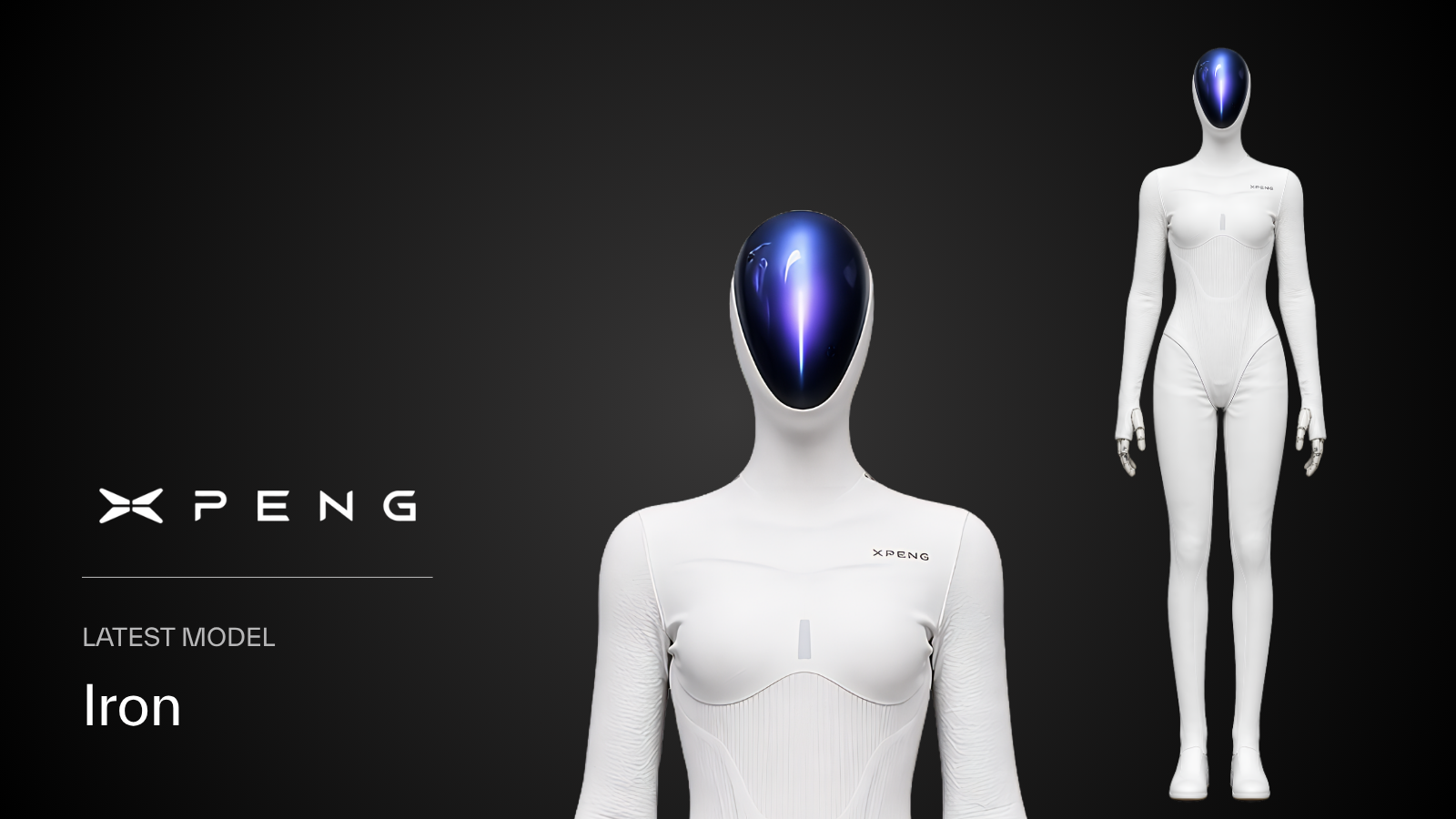
XPeng entered humanoid robotics from the automotive industry.
Its Iron humanoid builds on technologies already developed for autonomous driving, including perception, motion planning, battery systems and AI computing. The overlap between intelligent vehicles and humanoids allows XPeng to reuse years of engineering work across both products.
Iron is powered by XPeng’s in-house Turing AI chip and its proprietary Tianji AI operating system, technologies that already underpin the company’s intelligent vehicles. Earlier this year, XPeng unveiled a new physical AI strategy that places humanoid robots alongside electric vehicles and flying cars as part of a single embodied intelligence platform.
Chairman He Xiaopeng has said the company plans to invest up to RMB 100 billion into embodied intelligence over the coming two decades. Few companies entering humanoid robotics have access to XPeng’s manufacturing scale, AI infrastructure and experience producing complex machines in volume.
Long before humanoids became on trend, Fourier was already building robots.
Founded in 2015, the Shanghai-based company established itself through rehabilitation robotics, developing robotic systems used by hospitals and research institutions in more than 40 countries. Years spent working on motion control, force sensing and human-machine interaction provided the technical foundation for its expansion into humanoids.
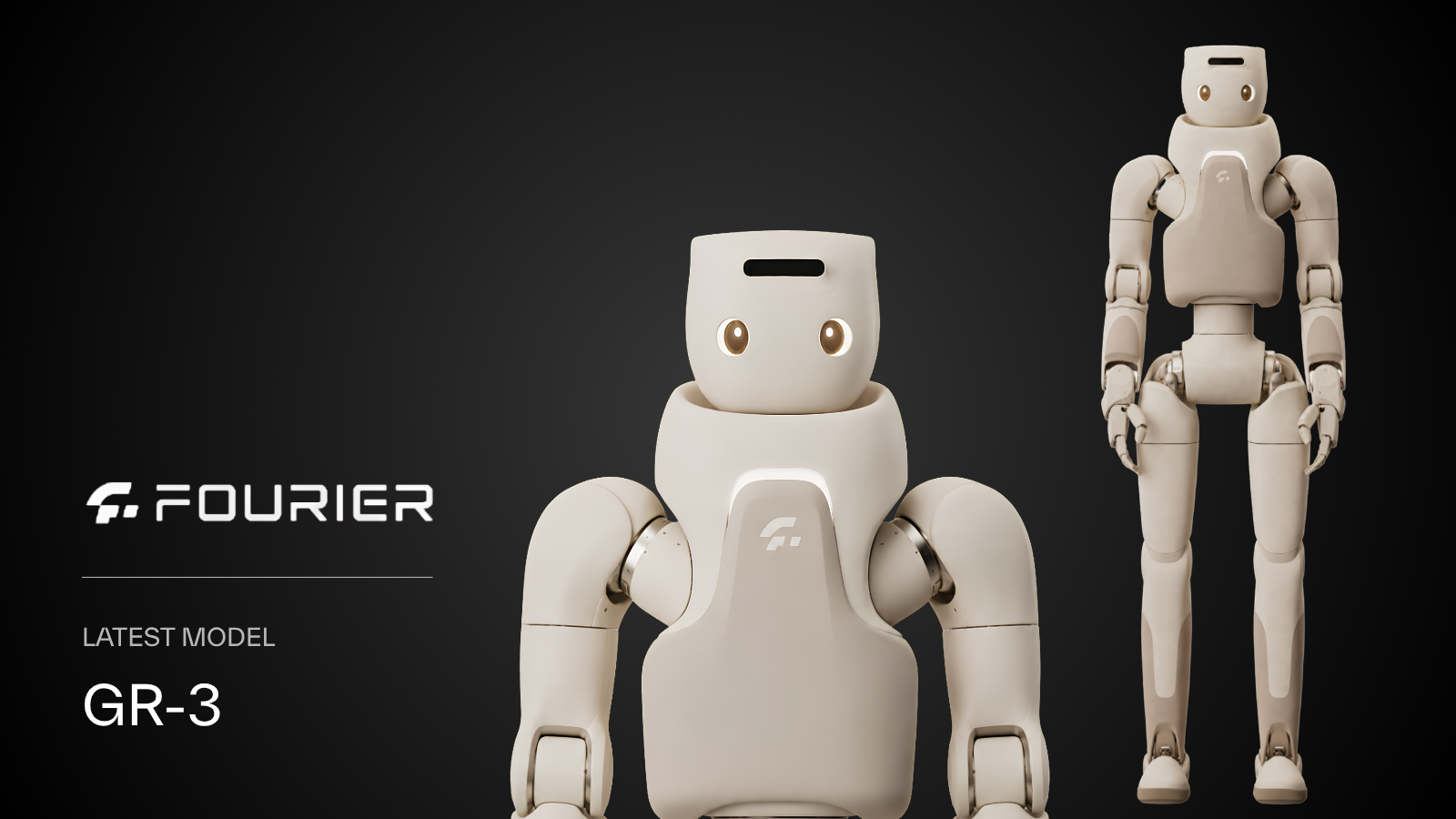
Its GR series follows naturally from that experience. While many companies entered humanoids as their first product, Fourier built on nearly a decade of commercial robotics development, manufacturing and clinical deployments. Earlier this year, the company introduced the GR-3, featuring improved dexterity, whole-body control and a more compact design aimed at research and commercial applications.
Not every robotics company is trying to build the first humanoid assistant for homes or factories.
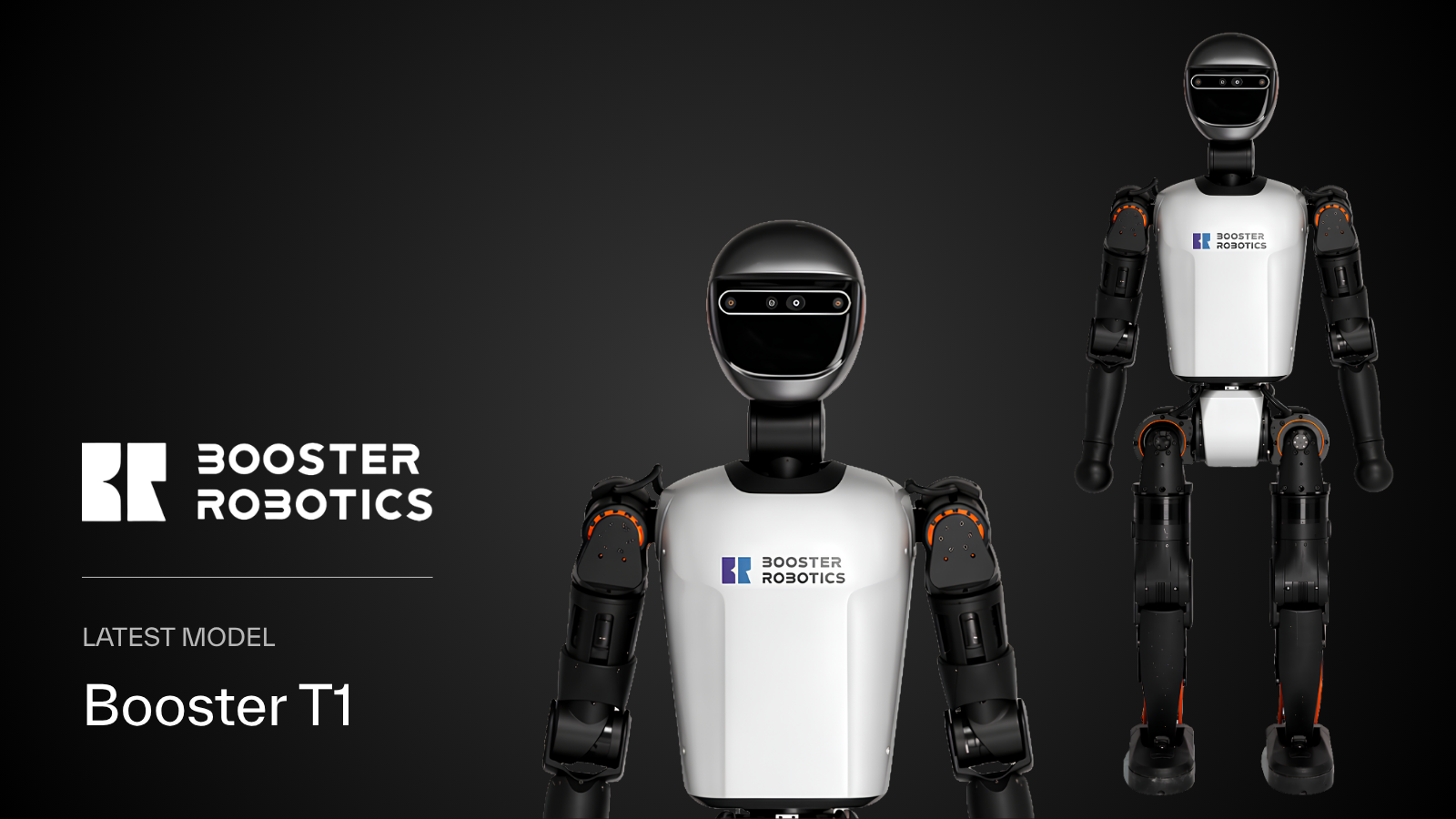
Instead of building humanoids for factories or homes, Booster Robotics develops affordable platforms for universities, research laboratories and AI developers. Its Booster T1 has already been adopted by institutions across Asia, Europe and North America, providing researchers with an accessible platform for locomotion, manipulation and embodied AI research.
As more organisations begin training robotics foundation models, demand for lower-cost research hardware is increasing. Platforms like Booster T1 allow developers to collect data, test algorithms and validate new approaches without relying on significantly more expensive industrial humanoids.
Locomotion remains one of the most technically demanding problems in humanoid robotics.
Maintaining balance, recovering from disturbances and navigating unfamiliar environments requires advances across mechanics, control systems and artificial intelligence. LimX Dynamics has focused much of its research on exactly those challenges.
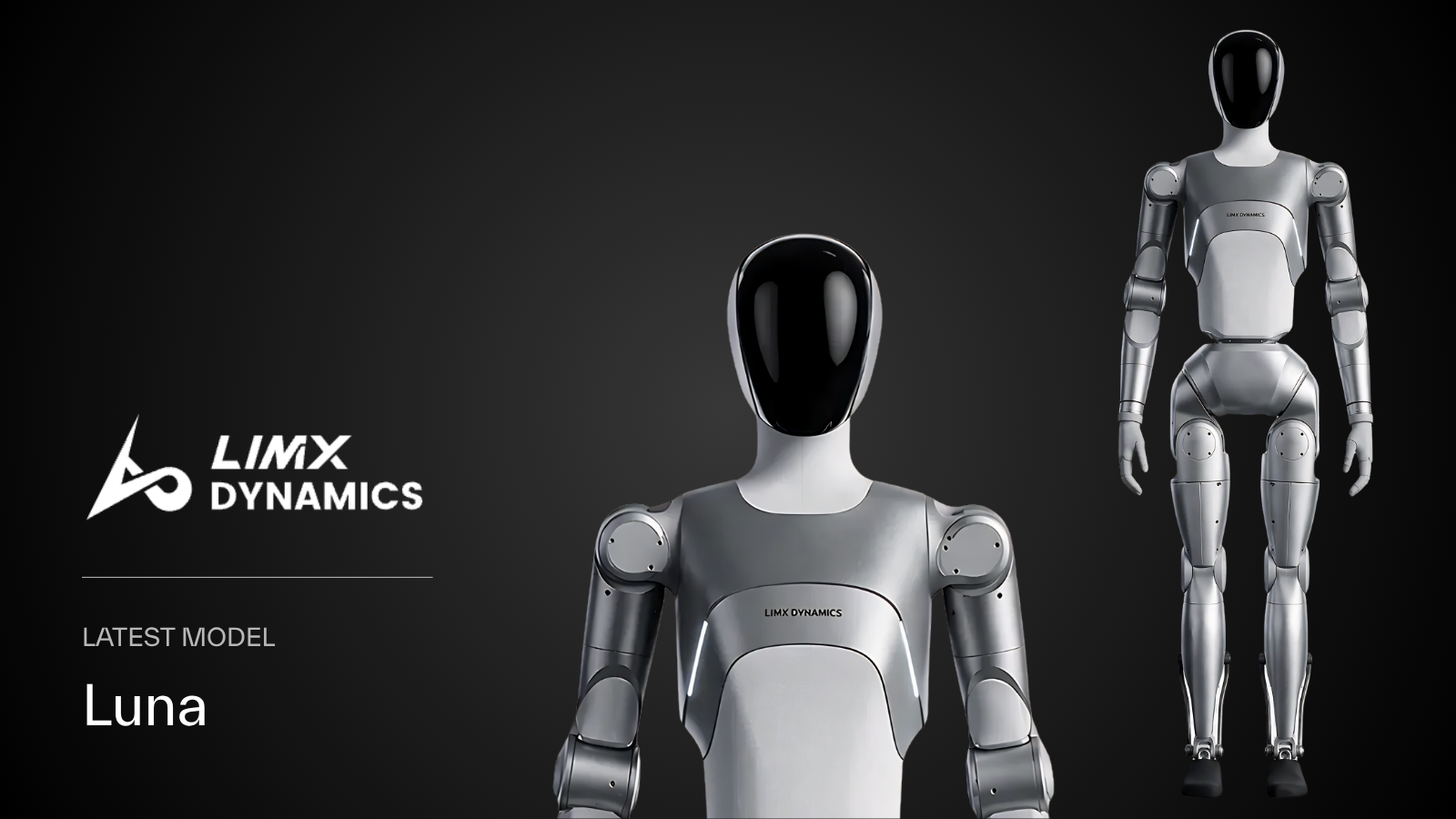
Founded in Shenzhen in 2022, the company develops bipedal, quadrupedal and humanoid robots alongside its own embodied AI software. Its latest humanoid, Luna, combines expressive interaction with whole-body motion control, while the company’s TRON series has demonstrated highly dynamic locomotion across a range of environments.
Alongside its hardware, LimX is also developing its own embodied AI software stack, giving the company capabilities across both robotics engineering and intelligent control systems.
XMAQUINA is a decentralized ecosystem, giving a global community early exposure to the world’s leading robotics companies before they disrupt trillion-dollar industries.
Now, you don’t have to be sidelined. Own the rise of humanoids.
Join our Discord and connect with thousands of futurists building the XMAQUINA DAO.
Follow us on X for the latest updates.
Owner: